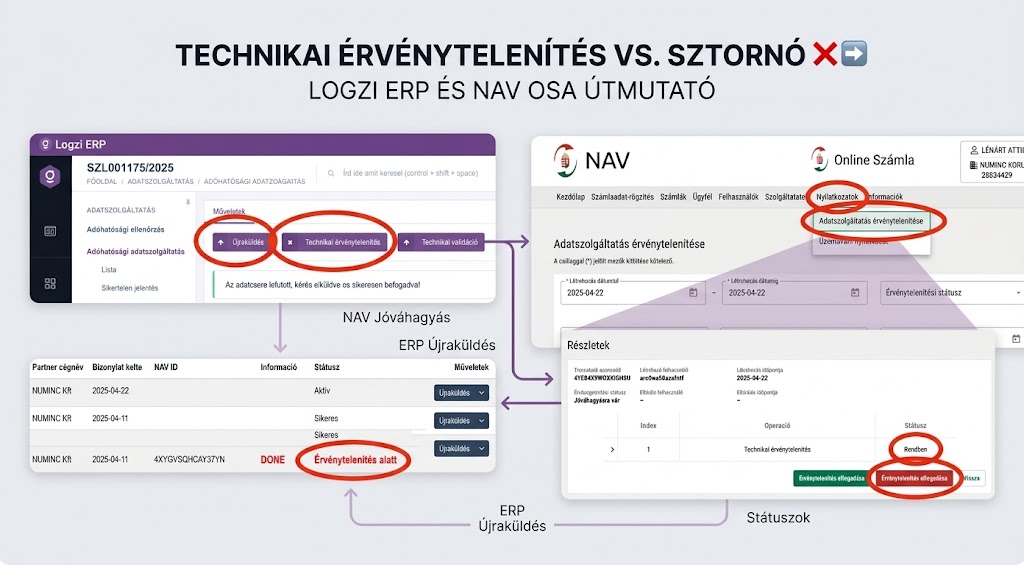
Unlocking Next-Level Efficiency: Real-World Gains from a Unified ERP System
In today's fast-paced business world, fragmented systems are productivity killers. A unified ERP system isn't just a buzzword; it's a strategic imperative that integrates every facet of your operations, from finance to sales and inventory, providing a singular, cohesive platform for managing your entire enterprise. This shift promises not just minor tweaks but a complete overhaul of your operational efficiency, leading to significant real-world gains that propel your business forward.
The Core of Operational Excellence: A Centralized Data Hub
At the heart of any successful modern enterprise lies data. A unified ERP system acts as a powerful centralized data hub, eliminating the notorious data silos that plague many organizations. When all departments—sales, marketing, production, finance, and human resources—draw from the same, accurate data pool, decision-making becomes faster, more informed, and significantly more reliable. This seamless flow of information ensures everyone is on the same page, preventing misunderstandings and costly errors.
Consider a manufacturing company: without a centralized system, the sales team might promise a delivery date that production can't meet due to raw material shortages, or the finance department might struggle with accurate cost accounting because inventory data is outdated. With a unified ERP, real-time inventory levels are visible to sales, production schedules are updated instantly, and financial reports reflect current operational costs, all from one dashboard. This level of transparency is critical for modern business management software.
Streamlining Workflows Through Process Automation
One of the most immediate and impactful benefits of adopting a unified ERP is its capacity for process automation. Repetitive, manual tasks that consume valuable employee time and are prone to human error can be automated, freeing your team to focus on strategic initiatives. This isn't just about saving time; it's about fundamentally transforming how work gets done, enhancing both speed and accuracy.
For instance, imagine the laborious process of order-to-cash. From sales order entry to inventory allocation, shipping, invoicing, and payment reconciliation, a complex chain of activities traditionally involves multiple hand-offs and manual data entries. A unified ERP can automate much of this, linking sales orders directly to inventory, scheduling shipments, generating invoices automatically, and reconciling payments. This significantly reduces processing times and enhances customer satisfaction.
According to a recent study, businesses leveraging automation through ERP systems have seen a 25% increase in operational efficiency across various departments by 2025. Source: Statista, 2025
Enhanced Cross-Departmental Integration for Seamless Operations
The true power of an enterprise resource planning system lies in its ability to foster cross-departmental integration. Instead of departments operating in isolation, a unified ERP creates a synergistic environment where information flows freely and processes are interconnected. This integration is vital for achieving holistic business process optimization.
Think about customer relationship management (CRM) and its integration with an ERP. When your sales and support teams have immediate access to a customer's purchase history, order status, payment information, and previous interactions, they can provide personalized and efficient service. This 360-degree view of the customer, enabled by integrated systems, drastically improves satisfaction and retention, leading to stronger customer relationships and increased revenue.
Furthermore, consider human resources and finance integration. Employee expense reports, payroll, and benefits administration can be directly linked to the general ledger, simplifying financial reconciliation and ensuring compliance. This not only speeds up internal processes but also provides a more accurate picture of labor costs, crucial for budgeting and financial planning.
Real-World Workflow Examples: Putting ERP into Action
Let's delve into specific real-world workflow examples to illustrate the transformative potential of a unified ERP system across various industries:
E-commerce Order Fulfillment & Inventory Management
An e-commerce business thrives on rapid order fulfillment and accurate inventory. A unified ERP integrates the online storefront, warehouse management, and shipping logistics. When a customer places an order, the ERP instantly updates inventory, triggers warehouse picking, generates shipping labels, and sends tracking information. This minimizes manual errors, speeds up delivery, and provides customers with real-time updates.
- Automate Order-to-Cash Processing: Connect sales order generation directly to inventory management and invoicing to eliminate manual data entry, reduce turnaround time, and minimize human error.
Manufacturing Production Planning & Quality Control
For a manufacturing firm, an ERP system can revolutionize production planning. It integrates sales forecasts with raw material procurement, production scheduling, and quality control. If a sudden surge in demand occurs, the ERP can automatically adjust production schedules, order necessary materials, and even alert quality control for increased oversight. This ensures optimal resource utilization and consistent product quality.
- Implement Smart Supply Chain and Inventory Triggers: Set up automated reorder thresholds and real-time supplier updates within the ERP to prevent stockouts, optimize warehouse management, and streamline purchasing.
Professional Services Project Management & Billing
Service-based companies can leverage ERP for comprehensive project management, from initial client proposal to final billing. The system tracks project timelines, resource allocation, expenses, and deliverables. Timesheets can be integrated directly with project modules, and invoices generated automatically upon project milestones or completion, ensuring accurate billing and improved cash flow.
- Standardize Rule-Based Approval Bottlenecks: Utilize automated routing for purchase requisitions, expense reports, and contract sign-offs to accelerate internal authorizations without compromising managerial control.
Retail Multi-Channel Operations & Customer Insights
In retail, managing multiple sales channels (brick-and-mortar, online, mobile) is complex. A unified ERP provides a single view of inventory across all channels, streamlines point-of-sale operations, and integrates customer loyalty programs. This allows for real-time inventory updates, consistent pricing, and a holistic understanding of customer behavior, leading to personalized marketing and improved sales strategies.
- Integrate CRM for 360-Degree Customer Visibility: Link customer interaction records directly with transaction histories, order tracking, and support cases to elevate client satisfaction and streamline account management.
Achieving Business Process Optimization and Workflow Automation
The ultimate goal of implementing a unified ERP system is business process optimization. By automating tasks, integrating departments, and providing a single source of truth, businesses can identify and eliminate inefficiencies, streamline workflows, and reallocate resources more effectively. This continuous improvement cycle is crucial for sustained growth and competitiveness.
A recent report indicates that companies prioritizing workflow automation through ERP are 1.5 times more likely to report significant revenue growth compared to those that don't. Source: Forbes Advisor, 2024
Beyond immediate efficiency gains, a robust ERP provides invaluable business intelligence (BI) capabilities. Customizable dashboards and reporting tools allow executives to monitor key performance indicators (KPIs) in real-time, gain deep insights into operational performance, and make data-driven decisions swiftly. This strategic advantage is paramount in today's volatile market.
- Leverage Real-Time Executive Dashboards: Empower management with customizable Business Intelligence (BI) tools to monitor critical KPIs, identify workflow inefficiencies, and make data-driven strategic decisions instantly.
- Accelerate Financial Reporting and Compliance: Leverage automated general ledger postings, cash flow tracking, and dynamic financial statement generation to accelerate period-end closing procedures.
The Path to Enhanced Operational Efficiency
The journey to enhanced operational efficiency begins with understanding the profound impact a unified ERP system can have on your organization. It's not merely a software installation; it's a strategic investment in the future of your business. By breaking down data silos, automating mundane tasks, and integrating disparate departments, you empower your team, accelerate your processes, and gain a competitive edge.
Embrace the future of business management. A powerful, unified ERP system like Logzi can unlock unparalleled efficiency, transform your operations, and drive sustainable growth. Don't let fragmented systems hold your business back any longer. Take control of your data, optimize your processes, and empower your team to achieve more.