Unlocking Growth: Integrating CRM with ERP for Hyper-Personalized Customer Journeys
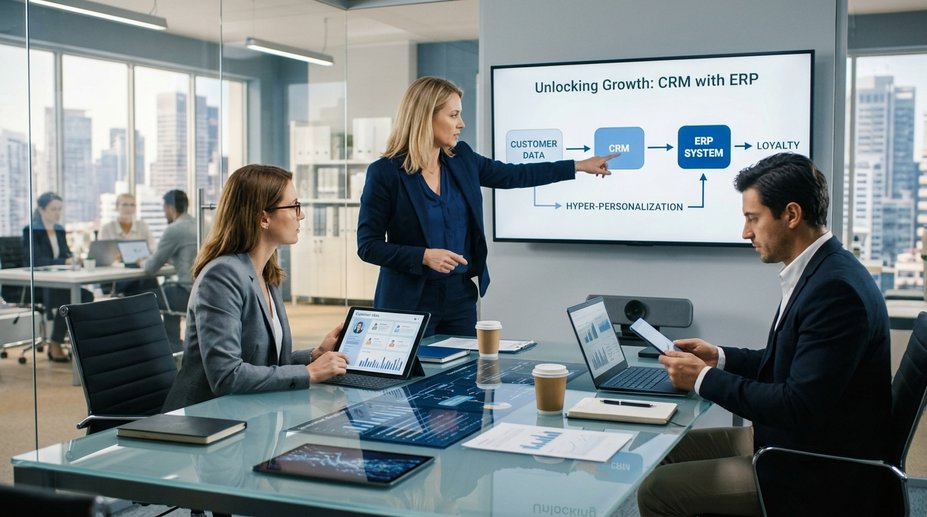
In today's fiercely competitive landscape, businesses in English-speaking countries are constantly seeking an edge. The convergence of customer relationship management (CRM) and enterprise resource planning (ERP) systems is no longer a luxury but a strategic imperative. By intelligently integrating CRM into ERP, you unlock a universe of customer data intelligence, enabling personalized marketing and tailored loyalty programs that drive unprecedented engagement and lasting customer value.
The Strategic Imperative: Bridging CRM and ERP for Unified Data Power
The traditional silos between CRM, focusing on customer interactions, and ERP, managing operational processes, are becoming obsolete. Modern businesses recognize that a holistic view of the customer—from initial lead to post-purchase service and financial transactions—is paramount. Seamless CRM ERP integration merges these two critical domains, creating a single source of truth for all customer data. This unified data architecture allows you to track every customer touchpoint, purchase history, service request, and financial interaction, transforming raw data into actionable insights.
This integration facilitates a complete 360-degree view of your customer, enabling more informed decision-making across sales, marketing, and service departments. When your sales team knows the exact inventory levels and fulfillment status from ERP, and your marketing team understands purchasing patterns from CRM, efficiency skyrockets. This synergy is fundamental for sophisticated strategies like targeted customer retention and optimizing customer lifetime value.
Elevating Engagement with Personalized Marketing Automation
Once your CRM and ERP systems are integrated, the potential for personalized marketing automation becomes immense. Instead of generic campaigns, you can segment your audience with precision based on real-time data from both systems. Imagine sending a personalized discount offer for a product a customer frequently buys, automatically triggered when ERP indicates their last purchase was X days ago and stock levels are high. This level of granularity is only possible when transactional data from ERP informs marketing actions in CRM.
- Leverage Behavioral Micro-Segmentation: Categorize your audience dynamically using real-time purchase frequency, average order value, and product preferences to ensure hyper-relevant campaign messaging.
- Synchronize Omnichannel Marketing Touchpoints: Align automated CRM engagement channels (email, SMS, social ads) directly with ERP inventory and fulfillment updates to maintain consistent communication.
According to a 2025 report by Salesforce, companies leveraging integrated data for personalization see an average increase of 25% in customer engagement rates and 18% in conversion rates. This highlights the tangible benefits of moving beyond basic segmentation to true hyper-personalization enabled by combined data insights. Source: Salesforce Research 2025
The Core of Intelligence: Customer Data Platform (CDP) & Predictive Analytics
At the heart of advanced integration is the concept of a Customer Data Platform (CDP). While CRM and ERP integration provides the plumbing, a CDP acts as the central brain, consolidating all customer data from both systems, alongside web analytics, social media, and third-party sources. This creates a rich, persistent, and unified customer profile that fuels even more sophisticated strategies.
With a robust CDP fed by integrated CRM and ERP data, you can harness predictive analytics to foresee customer behavior. This means identifying customers at risk of churn before they leave, predicting future purchasing needs, and even determining the optimal time and channel for communication. Predictive models can analyze past purchase patterns, service interactions, and even browse history to suggest the 'next best action' for each individual customer, significantly boosting cross-selling and upselling efforts.
- Deploy Predictive Analytics for Upselling: Utilize combined data sets to forecast customer churn, identify cross-selling opportunities, and deliver automated next-best-offer recommendations.
A recent study published by Gartner in early 2025 projects that organizations utilizing predictive analytics powered by integrated data will outperform competitors by up to 20% in customer retention and profitability. This demonstrates the immense value of moving from reactive to proactive customer engagement. Source: Gartner Hype Cycle for Data Science and Machine Learning 2025
Crafting Loyalty: Data-Driven Loyalty Programs
Data-driven loyalty programs move beyond simple points systems. With integrated CRM and ERP data, you can design highly personalized, dynamic loyalty programs that truly resonate with your customer base. ERP provides the transactional data—what was purchased, when, and how much—while CRM adds behavioral context, preferences, and communication history. This allows for:
- Tiered rewards based on actual spending and engagement levels.
- Personalized offers for products frequently purchased or complementary items.
- Exclusive access to events or content for high-value customers identified by combined data.
- Automated birthday or anniversary rewards, linked directly to customer profiles.
- Automate Dynamic Loyalty Rewards: Design dynamic, tier-based incentive structures that automatically issue real-time rewards once specific spending thresholds are recorded in your ERP system.
These programs not only reward loyalty but also incentivize desired behaviors, turning customers into advocates and significantly improving customer lifetime value optimization.
The Operational Backbone: Enterprise Resource Planning (ERP) in the Modern Era
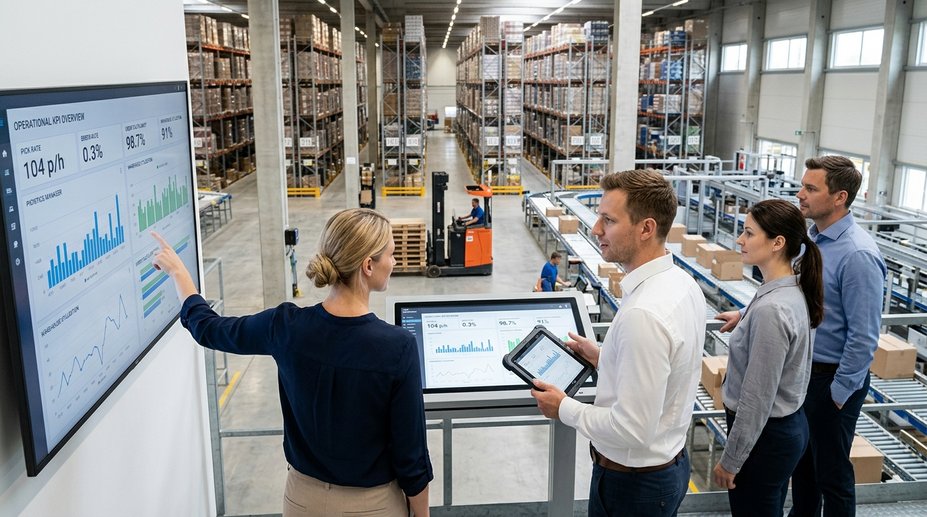
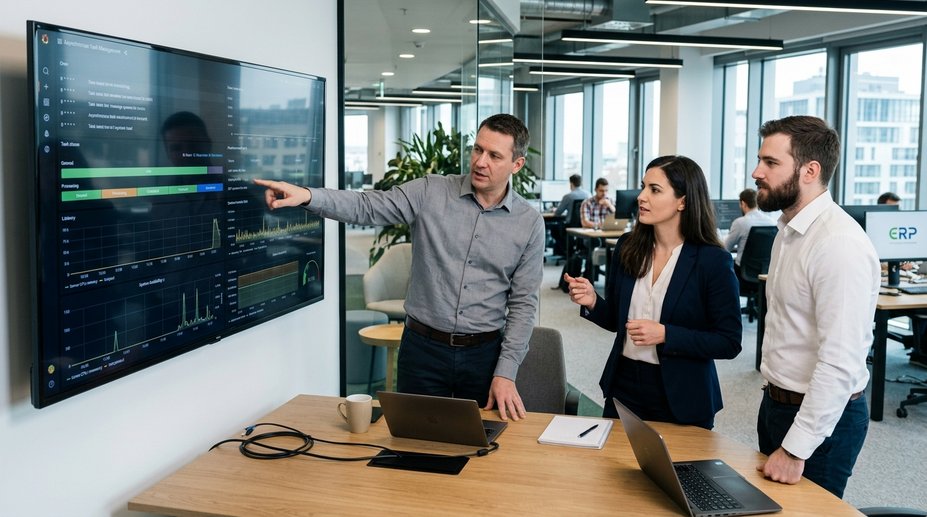
Modern enterprise resource planning systems are no longer just for accounting and inventory. They are comprehensive platforms that manage all core business processes, from supply chain and manufacturing to HR and financials. When integrated with customer relationship management, ERP becomes an even more powerful tool for competitive advantage. ERP trends like cloud-based solutions, AI integration, and modular architectures are making these systems more flexible, scalable, and accessible for businesses of all sizes.
For instance, an integrated system means that a customer's order placed through CRM can instantly trigger inventory checks in ERP, generate a shipping label, update financial records, and even inform the marketing team for follow-up communication. This level of operational cohesion eliminates manual errors, reduces processing times, and enhances the overall customer experience across all aspects of the business.
- Establish a Unified Data Architecture: Seamlessly merge transactional ERP records with interactive CRM logs to construct a comprehensive, 360-degree view of customer purchase history and engagement.
- Track Closed-Loop Financial ROI: Connect marketing performance indicators directly to ERP financial ledgers to accurately evaluate campaign profitability and customer lifetime value (CLV).
- Maintain Rigorous Data Governance: Implement strict access controls, encryption, and regulatory compliance standards (such as CCPA and GDPR) across integrated enterprise systems to secure customer insights.
Mastering Omnichannel Marketing Strategies for Consistent Experiences
In today's digital world, customers interact with brands across numerous channels – websites, social media, email, in-store, and mobile apps. An effective omnichannel marketing strategy ensures a consistent and seamless experience across all these touchpoints. Integrated CRM and ERP systems are the foundational enablers of such a strategy.
When CRM captures customer interactions on social media and ERP tracks their in-store purchases, your brand can offer a truly unified experience. For example, if a customer browses a product online (CRM data) but doesn't purchase, and then visits a physical store (ERP data via POS integration), a sales associate can be instantly aware of their online interest. This eliminates disjointed experiences and builds trust and loyalty.
The integration ensures that personalized messages delivered via personalized marketing automation are consistent, whether they appear in an email, a social media ad, or a push notification. This synchronization is crucial for maintaining brand integrity and maximizing the impact of every customer interaction, leading to more effective targeted customer retention efforts.
Optimizing Customer Lifetime Value through Data Intelligence
The ultimate goal of integrating CRM and ERP and leveraging customer data intelligence is customer lifetime value optimization. By understanding every facet of a customer's journey, businesses can strategically invest their resources to nurture high-value customers and convert promising prospects.
Predictive analytics, powered by comprehensive data from both systems, allows you to identify which customers are most likely to make repeat purchases, which are at risk of churning, and which respond best to specific types of offers. This insight enables proactive engagement strategies that extend customer relationships, increase average transaction values, and reduce acquisition costs. From anticipating needs to delivering timely, relevant offers, integrated systems empower you to treat each customer as an individual, fostering loyalty and maximizing their long-term value to your business.
Embracing a robust customer data platform that orchestrates data from both your enterprise resource planning and customer relationship management systems is the cornerstone of sustainable growth. It moves your business beyond guesswork, turning every interaction into an opportunity for personalized engagement and strengthening customer bonds.
Future-Proofing Your Business with Logzi ERP
Integrating your CRM and ERP systems is no longer an optional upgrade; it's a fundamental shift towards a more intelligent, responsive, and customer-centric business model. By embracing this integration, you empower your teams with a unified view of every customer, enabling hyper-personalized marketing, proactive service, and truly data-driven loyalty programs. The power to transform raw data into a competitive advantage is within your reach. Imagine the efficiency gains, the reduction in customer churn, and the significant boost in customer lifetime value. This integrated approach, at the core of solutions like Logzi ERP, provides the foundation for sustainable growth, ensuring your business is not just keeping pace, but leading the way in customer engagement and operational excellence.