Unlocking Green Logistics: ERP-Driven Paperless Operations & Route Optimization
In today's rapidly evolving business landscape, the convergence of Green Logistics and Corporate Sustainability isn't just a trend—it's an imperative. Companies in English-speaking countries are increasingly recognizing that transitioning to paperless operations and optimizing routes via robust Enterprise Resource Planning (ERP) systems are critical steps towards achieving both environmental responsibility and operational excellence.
The Urgency of Green Logistics and Sustainable Supply Chains
The global call for sustainability has reshaped how businesses operate. Consumers, investors, and regulatory bodies are all demanding greater transparency and accountability regarding environmental impact. For the logistics sector, this translates into a pressing need for Green Logistics practices that reduce carbon footprints, minimize waste, and enhance overall sustainability. A sustainable supply chain is no longer a niche concept but a core business strategy that drives competitive advantage and long-term resilience.
Embracing eco-friendly logistics isn't merely about compliance; it's about identifying opportunities for innovation and efficiency. Forward-thinking companies are leveraging technology to transform their supply chains, making them not only greener but also more agile and cost-effective. This transformation is heavily reliant on powerful digital tools that can integrate diverse operational aspects, from inventory management to fleet operations.
ERP Systems: The Backbone of Digital Transformation
Enterprise Resource Planning (ERP) systems have evolved from mere financial management tools into comprehensive platforms that orchestrate nearly every aspect of a business. For companies aiming for digital transformation in Green Logistics, an ERP system serves as the central nervous system, connecting disparate functions and providing a holistic view of operations. Modern ERP solutions offer modules specifically designed to enhance supply chain efficiency, reduce waste, and facilitate sustainable practices.
The current ERP trends emphasize cloud-based solutions, AI integration, and real-time analytics, making these systems more accessible, intelligent, and powerful than ever before. These advancements enable businesses to move away from fragmented data silos towards an integrated, data-driven approach to sustainability. For instance, according to a recent report, the global ERP market is projected to reach USD 75.8 billion by 2026, growing at a CAGR of 9.2%, largely driven by the demand for operational efficiency and digital transformation across industries. Source.
Transitioning to Paperless Operations: A Core Sustainability Initiative
One of the most immediate and impactful steps towards corporate sustainability is the transition to a paperless office. This initiative extends beyond simply reducing paper waste; it encompasses a complete overhaul of administrative and operational workflows. By digitizing documents, invoices, bills of lading, and all other transactional paperwork, businesses can significantly reduce their environmental footprint while simultaneously boosting efficiency.
An ERP system is fundamental to this transition. It provides the digital infrastructure to store, manage, and process documents electronically, eliminating the need for physical copies. This not only saves on paper and printing costs but also streamlines approval processes, reduces human error, and improves data accessibility. The ability to access critical information instantly from anywhere significantly enhances supply chain efficiency and responsiveness.
Consider the benefits: reduced storage space, faster document retrieval, improved security, and a drastic cut in the resources associated with paper production and disposal. These advantages collectively contribute to a more eco-friendly logistics operation and bolster a company’s sustainability credentials.
Optimizing Routes for Eco-Friendly Logistics
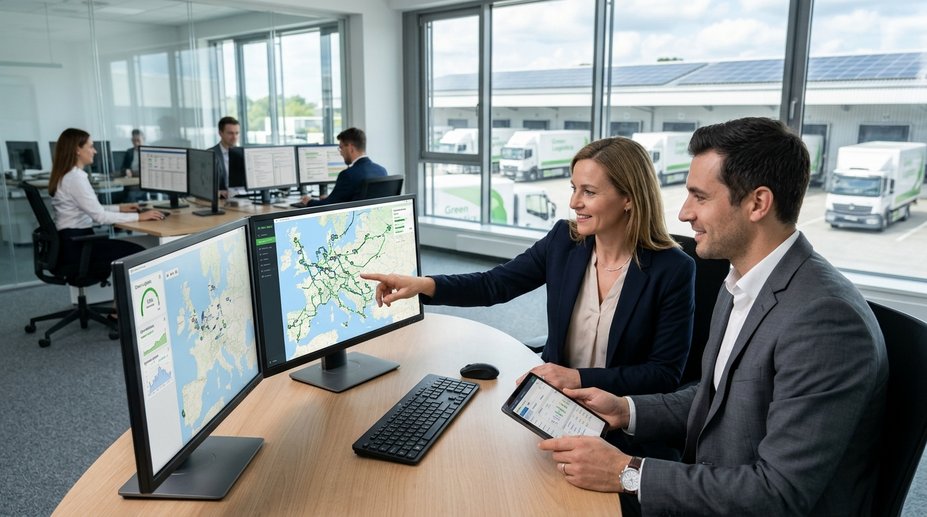
Route optimization via ERP is a game-changer for fleet management software and carbon footprint reduction. Traditional routing methods often rely on static data and manual planning, leading to inefficiencies, unnecessary fuel consumption, and higher emissions. Modern ERP systems, especially those integrated with advanced logistics modules, leverage sophisticated algorithms, AI, and real-time data to create the most efficient delivery routes possible.
These systems consider a multitude of factors, including traffic conditions, vehicle capacity, delivery windows, driver availability, and even road restrictions. The goal is to minimize distance traveled, reduce idle times, and consolidate shipments, all of which directly contribute to lower fuel consumption and a significant reduction in greenhouse gas emissions. This proactive approach to logistics management transforms fleet operations from a cost center into a key driver of sustainable practices.
For example, a study by the European Environment Agency indicated that road transport accounts for over 70% of greenhouse gas emissions from transport in the EU, highlighting the critical need for advanced route optimization strategies to meet climate targets by 2025. Source.
Practical Strategies for ERP-Driven Green Logistics
Implementing green logistics and corporate sustainability initiatives through your ERP system requires a strategic approach. Here are some actionable tips:
- Adopt a Cloud-Based ERP for Paperless Workflows: Eliminate physical paperwork by digitizing invoices, bills of lading, and receipts directly within your ERP system to streamline document management and reduce waste. Cloud solutions offer scalability and accessibility, perfect for a paperless office.
- Leverage AI-Driven Fleet Route Optimization: Integrate intelligent routing algorithms into your ERP software to minimize vehicle idle times, reduce fuel consumption, and lower carbon emissions across delivery routes. This enhances supply chain efficiency and supports eco-friendly logistics.
- Utilize Real-Time Telematics Integration: Sync real-time GPS and vehicle telematics data with your enterprise platform to make dynamic, eco-friendly route adjustments based on live traffic and weather conditions. This proactive fleet management software capability directly impacts carbon footprint reduction.
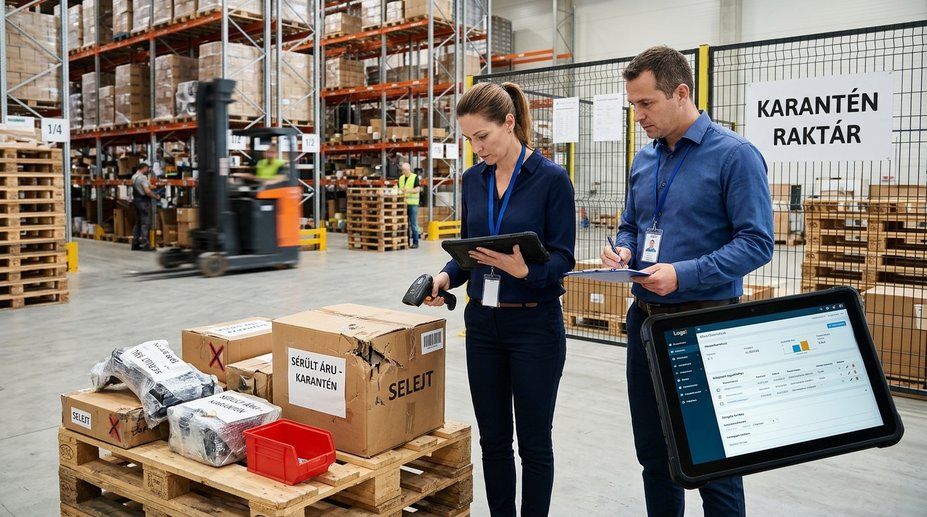
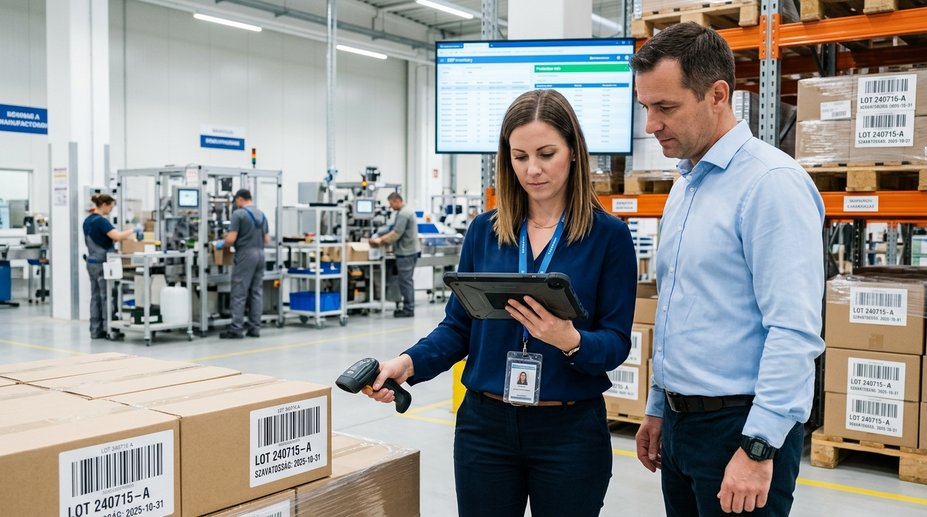
- Centralize Inventory and Warehouse Management: Use automated stock tracking within your ERP to streamline picking orders, maximize payload capacity, and eliminate unnecessary transport trips. Effective inventory management reduces waste and optimizes delivery cycles, contributing to sustainable supply chain practices.
- Establish Continuous Carbon Footprint Auditing: Implement built-in ERP analytics to monitor, track, and regularly report greenhouse gas emissions, helping your organization hit sustainability targets. This provides crucial data for ongoing improvement in eco-friendly logistics.
- Train Staff on Sustainable Digital Workflows: Conduct ongoing employee training focusing on digital-first administrative processes to eliminate reliance on physical printing and maximize ERP utility. This fosters a culture of digital transformation and reinforces the benefits of a paperless office.
- Collaborate with Eco-Conscious Supply Chain Partners: Integrate your ERP ecosystem with suppliers and third-party logistics providers who prioritize green practices, creating an end-to-end sustainable network. This extends your sustainable supply chain efforts beyond your direct operations.
The Role of Digital Transformation in Reducing Carbon Footprint
Digital transformation isn't just about adopting new technologies; it's about fundamentally rethinking business processes to achieve strategic objectives, including sustainability. An ERP system acts as a catalyst for this transformation, providing the tools necessary for carbon footprint reduction.
By integrating data from various sources—fleet telematics, warehouse sensors, energy consumption meters—the ERP can provide a comprehensive overview of environmental impact. This data-driven insight allows businesses to identify areas of inefficiency, implement corrective actions, and continuously monitor their progress towards sustainability goals. From optimizing energy usage in warehouses to reducing packaging waste through smarter inventory management, the digital transformation powered by ERP is key to building a truly eco-friendly logistics operation.
Moreover, the enhanced visibility and traceability offered by an integrated ERP system enable companies to meet stringent regulatory requirements and respond effectively to stakeholder demands for greater environmental stewardship. This proactive approach not only mitigates risks but also builds a stronger, more responsible brand image.
Enhancing Supply Chain Efficiency Through ERP
Beyond its environmental benefits, the digital transformation facilitated by ERP for Green Logistics significantly enhances supply chain efficiency. A paperless office reduces administrative overhead, speeds up processing times, and minimizes errors associated with manual data entry. Route optimization not only saves fuel but also improves delivery times, customer satisfaction, and overall operational flow.
Integrated fleet management software within the ERP provides real-time visibility into vehicle locations, performance, and maintenance needs, preventing costly breakdowns and ensuring optimal resource utilization. This holistic approach ensures that every component of the supply chain works in harmony, leading to substantial cost savings, improved service levels, and a more resilient operational framework. Ultimately, a more efficient supply chain is inherently a more sustainable one.
The synergy between green logistics, sustainable supply chain practices, and advanced ERP functionalities creates a powerful engine for business growth and environmental responsibility. Companies that proactively invest in these areas are better positioned to navigate future challenges and seize new opportunities.
Embracing the Future with Enterprise Resource Planning
The journey towards Green Logistics and Corporate Sustainability is continuous, requiring commitment, innovation, and the right technological partners. Embracing paperless operations and leveraging ERP for route optimization are not just good for the planet; they are excellent for your business's bottom line and long-term viability. By integrating these practices, you can achieve significant reductions in your carbon footprint, enhance supply chain efficiency, and position your organization as a leader in sustainable business practices.
Taking these steps towards digital transformation with a robust enterprise resource planning solution will empower your team, streamline your processes, and make a tangible difference. Consider how a comprehensive ERP system can help your business achieve its green logistics and sustainability objectives, driving both environmental stewardship and operational excellence.