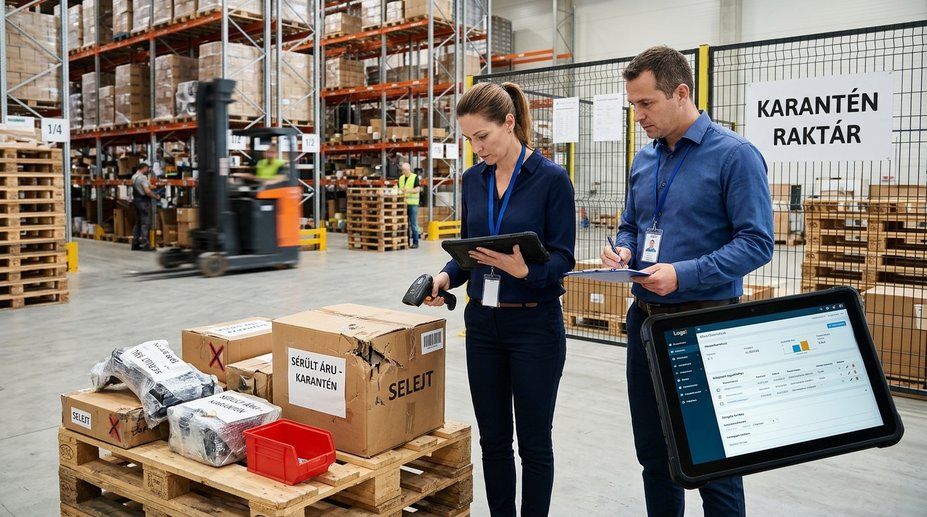
Unifying Sales: Driving Growth with Hybrid B2B & B2C Platforms
In today's dynamic marketplace, businesses are increasingly realizing the limitations of separate B2B and B2C sales channels. The future lies in Unified B2B and B2C Sales Systems, where automating tiered pricing, dynamic inventory reservation, and multi-audience workflows isn't just an advantage – it's a necessity for sustainable growth.
The Evolving Landscape of Hybrid E-commerce Platforms
The distinction between B2B and B2C e-commerce is blurring. Customers, whether buying for personal use or for a company, expect a seamless, intuitive experience. This shift necessitates hybrid e-commerce platforms that can cater to the unique demands of both audiences simultaneously. Imagine a single platform where a retail customer can quickly purchase a single item, while a wholesale client logs in to access their negotiated bulk pricing and place large orders with tailored payment terms. This integration is not merely about convenience; it's about operational efficiency and maximizing revenue streams.
Many businesses are finding that traditional, siloed systems lead to inefficiencies, data discrepancies, and a disjointed customer experience. Integrating wholesale vs retail management into a single, cohesive system reduces overhead and provides a holistic view of your entire customer base. This unified approach is quickly becoming an industry standard. According to a 2025 report by McKinsey & Company, businesses leveraging unified commerce platforms saw an average revenue increase of 15% and a 20% reduction in operational costs. Source: McKinsey & Company
Automated Pricing Rules: Mastering Multi-Tiered Strategies
One of the most complex challenges in managing both B2B and B2C sales is implementing flexible pricing. Automated pricing rules are essential for navigating multi-tier pricing strategies effectively. For B2C customers, you typically have standardized MSRPs, seasonal discounts, and promotional offers. For B2B clients, however, you need to manage custom B2B pricing, volume-based discounts, contractual rates, and client-specific agreements. Manually managing these can be a nightmare.
A robust unified system allows you to define complex pricing logic that automatically applies the correct price based on customer segment, quantity ordered, historical purchase data, or even specific contract IDs. This not only ensures accuracy but also frees up your sales team to focus on relationship building rather than price list management. This capability is at the heart of effective wholesale vs retail management within a single platform.
- Implement Dynamic Tiered Pricing: Establish custom price lists, volume discounts, and client-specific contract pricing for B2B buyers while maintaining standardized MSRP for B2C retail customers within the same unified catalog.
Dynamic Inventory Allocation: Ensuring Real-Time Stock Availability
Inventory management can be a make-or-break aspect of a hybrid sales model. How do you ensure you have enough stock for a large wholesale order without running out for your B2C customers, especially during peak seasons? The answer lies in dynamic inventory allocation and real-time stock reservation.
Advanced systems allow you to set up rules that dynamically reserve inventory. For instance, you can allocate a certain percentage of stock specifically for B2B orders, or set up a priority system where large wholesale orders trigger an automatic reservation, ensuring fulfillment. Simultaneously, the system needs to provide accurate, real-time stock levels to B2C customers, preventing overselling and improving customer satisfaction. This intelligent allocation minimizes the risk of stockouts for high-value orders while keeping your retail customers happy.
- Automate Real-Time Inventory Allocation: Configure intelligent stock reservation rules that hold dedicated safety stock for high-volume wholesale orders without starving B2C impulse shoppers during high-traffic periods.
Streamlining Multi-Audience Workflows and Customer Experiences
A unified system doesn't just manage products and prices; it optimizes the entire customer journey for different audience segments. This means tailoring everything from product visibility to checkout processes. B2B buyers might need dedicated portals with specific catalogs, bulk order forms, and the ability to manage multiple user accounts within their organization. B2C customers, on the other hand, expect quick, frictionless checkouts, diverse payment options, and personalized recommendations.
The goal is to provide a highly personalized yet integrated experience. This means configuring different display options, payment gateways, and shipping methods based on whether the user is a B2B or B2C customer. A recent Gartner report from early 2025 indicated that businesses excelling in personalized multi-audience experiences saw a 19% higher customer retention rate. Source: Gartner
- Tailor Checkout and Payment Options: Offer customized payment terms (such as Net 30/60), purchase order (PO) invoicing, and corporate tax exemptions for B2B accounts, while providing seamless one-click digital wallets and instant credit card processing for B2C consumers.
- Segment User Experience and Catalog Visibility: Leverage role-based access controls to display specialized bulk-ordering grids, tailored product variants, and restricted portal content exclusively to authenticated wholesale clients.
The Backbone: Unified Enterprise Software and ERP Integration
Achieving true unification requires a powerful foundation: unified enterprise software with robust ERP integration. Your e-commerce platform shouldn't operate in a vacuum. It needs to be seamlessly connected to your enterprise resource planning (ERP) system to ensure data consistency across all operations – from inventory management and order processing to finance and customer relationship management (CRM).
This integration ensures that real-time inventory updates from the warehouse are immediately reflected online, that orders placed on the e-commerce site flow directly into your fulfillment system, and that financial data is automatically reconciled. Without strong ERP integration, the benefits of a unified sales system are severely limited. This interconnectedness is crucial for everything from accurate accounting to efficient supply chain management and custom B2B pricing consistency.
- Synchronize Centralized ERP and CRM Data: Integrate backend enterprise resource planning (ERP) platforms to ensure real-time inventory updates, automated order processing, and unified omnichannel financial reporting.
- Automate Credit Limit and Approval Workflows: Implement automated triggers for B2B credit limit evaluation and multi-level corporate purchase approvals to prevent order fulfillment delays while minimizing financial risk.
- Streamline Multi-Channel Logistics: Establish automated fulfillment routing rules that split bulk freight shipments to commercial distribution centers while delegating single-unit B2C deliveries to standard parcel carriers.
Embracing the Future of Sales Efficiency
The journey towards a unified sales system might seem complex, but the rewards are substantial. By embracing automated pricing rules, dynamic inventory allocation, and streamlined multi-audience workflows, businesses can unlock new levels of efficiency, customer satisfaction, and profitability. This integrated approach, powered by strong ERP integration, allows you to cater to both your B2B and B2C customers from a single, cohesive platform, optimizing every aspect of your sales operations from wholesale vs retail management to custom B2B pricing and real-time stock reservation.
Don't let fragmented systems hold your business back. Embrace the power of a unified approach to transform your B2B and B2C e-commerce operations. A powerful platform, like Logzi ERP, provides the tools you need to integrate your sales channels, automate complex processes, and drive significant growth by offering a truly seamless experience for every customer. Take the step towards unparalleled operational synergy and watch your business thrive.