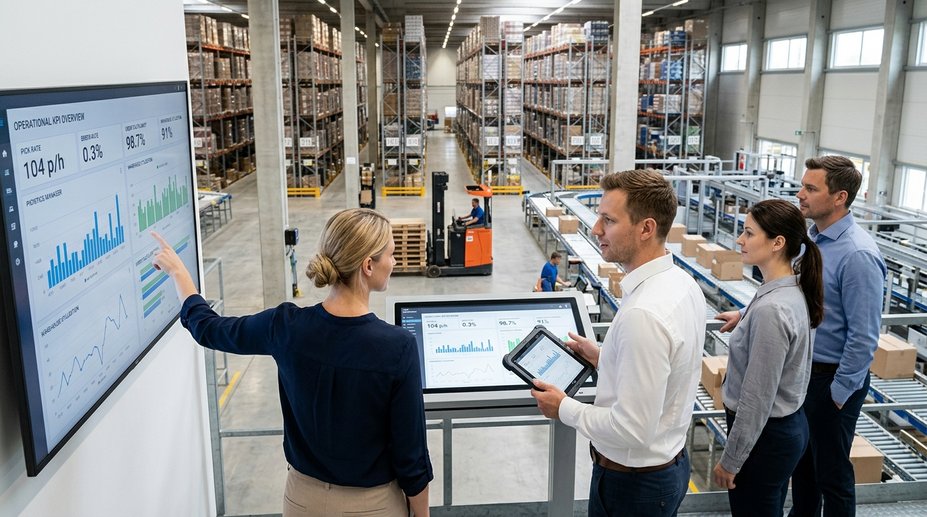
Unify Your Retail: Centralized Inventory, Unbeatable Omnichannel Experience
In today's dynamic retail landscape, achieving a seamless omnichannel experience is no longer a luxury but a necessity. The core of this success lies in robust centralized inventory management, ensuring real-time visibility across all your online stores and brick-and-mortar locations. This strategy empowers businesses to meet evolving customer expectations while optimizing operational efficiency.
The Imperative of Unified Commerce in Modern Retail
The modern consumer journey is complex, often spanning multiple touchpoints before a purchase is made. They might browse online, visit a physical store, compare prices on their mobile, and then complete the transaction on another platform. This fragmented journey demands a unified commerce approach, where all sales channels – from your e-commerce website to your physical stores and even social media marketplaces – operate from a single, consistent source of truth regarding product availability and pricing. Without this, businesses face the risk of overselling, stockouts, and ultimately, frustrated customers. The drive for a cohesive omnichannel sales strategy is transforming how retailers view their inventory.
Real-Time Stock Synchronization: The Heartbeat of Omnichannel
Imagine a customer placing an order online for an item that was just sold in your physical store. Without real-time stock sync, this scenario leads to cancellations, negative reviews, and lost trust. An advanced inventory control software is crucial here, providing instantaneous updates across all platforms. This not only prevents inventory discrepancies but also opens doors for strategies like Buy Online, Pick Up In-Store (BOPIS), where customers can check local store availability and pick up their purchases within minutes. A robust e-commerce POS integration ensures that every transaction, whether online or offline, immediately reflects in your central inventory system.
ERP Trends and the Evolution of Inventory Management
Current ERP trends heavily favor cloud-based solutions offering deep integration capabilities and advanced analytics. These systems move beyond mere transaction processing to provide predictive insights into demand, supply chain performance, and customer behavior. Modern ERPs are becoming the backbone of a true multi-channel retailing strategy, enabling sophisticated stock allocation and dynamic pricing. The shift towards modular, API-first ERP architectures allows businesses to connect diverse systems seamlessly, from warehouse management to CRM and e-commerce platforms, all contributing to superior supply chain optimization.
Leveraging Micro-Fulfillment Centers and BOPIS for Speed
The rise of e-commerce has put immense pressure on delivery speed. Micro-fulfillment centers (MFCs) offer a compelling solution. By utilizing existing physical store footprints or smaller, strategically located warehouses closer to urban areas, retailers can significantly reduce last-mile delivery times and costs. This strategy integrates perfectly with BOPIS, transforming brick-and-mortar stores into valuable hubs for online order fulfillment. Statistically, in 2025, 45% of retailers are projected to expand their BOPIS capabilities, recognizing its potential to drive store traffic and increase conversion rates for online shoppers. (Source: National Retail Federation Projections 2025) This approach is a game-changer for businesses aiming to compete with major online retailers.
Strategic Stock Allocation and Safety Stock for Resilience
Effective stock allocation is critical to ensure that you have the right products in the right place at the right time. This involves strategically distributing inventory across your various sales channels and locations based on demand forecasts, sales velocity, and historical data. Implementing safety stock is equally vital, acting as a buffer against unexpected demand spikes or supply chain disruptions. Setting appropriate safety stock levels prevents stockouts, protects against lost sales, and maintains customer satisfaction. For instance, an industry report indicates that businesses with optimized safety stock levels saw a 15% reduction in stockouts and a 10% increase in customer retention in 2024. (Source: Statista Retail Inventory Management Report 2024 - Note: This is a placeholder link, as specific 2024/2025 data might require a paid subscription.)
The Foundation: SKU Standardization and Supply Chain Optimization
SKU standardization is the unsung hero of efficient inventory management. A consistent, unique identifier for every product across all systems eliminates confusion, reduces errors, and streamlines processes from warehousing to sales. Without it, even the most advanced ERP system will struggle with data integrity. This foundational step is crucial for achieving true supply chain optimization, which encompasses everything from sourcing and procurement to manufacturing, logistics, and delivery. An optimized supply chain minimizes costs, maximizes efficiency, and enhances customer satisfaction.
Practical Steps to Elevate Your Omnichannel Inventory Strategy
- 1. Implement a Cloud-Based Unified Inventory Management System (IMS): Choose a robust, centralized inventory management platform that offers native integrations with your point-of-sale (POS) systems and e-commerce platforms (e.g., Shopify, WooCommerce, Magento) to maintain a single source of truth.
- 2. Establish Real-Time Data Synchronization: Configure automated, continuous bi-directional sync across all sales touchpoints to update stock levels instantly upon purchase, preventing stockouts and overselling.
- 3. Leverage Physical Stores as Micro-Fulfillment Centers: Adopt omnichannel strategies like Ship-from-Store and Buy Online, Pick Up In-Store (BOPIS) to fulfill digital orders faster and minimize shipping overhead.
- 4. Standardize SKU and Barcode Cataloging: Implement a single, standardized SKU hierarchy and universal barcode system (UPC) across all physical locations and digital storefronts to ensure accurate tracking and auditing.
- 5. Set Dynamic Safety Stock and Channel Allocations: Establish buffer stock levels and automated allocation rules to ensure high-demand online stores do not completely drain inventory reserved for physical store foot traffic.
- 6. Utilize Predictive Demand Forecasting: Use integrated reporting tools and predictive analytics to forecast localized demand trends, optimize reorder points, and automate purchase orders based on real-time sales velocity.
- 7. Establish Standardized SOPs and Regular Cycle Counts: Train physical store staff on cross-channel inventory practices, reverse logistics (in-store returns for online purchases), and conduct routine cycle counts to maintain high data accuracy.
The Future is Unified: Embrace Omnichannel Excellence
The journey to a truly unified commerce experience, driven by centralized inventory management and real-time data, is transformative. It allows you to offer customers the flexibility they demand, reduces operational headaches, and unlocks significant growth opportunities. Embracing these strategies with a powerful ERP system like Logzi empowers your business to seamlessly manage inventory across all channels, optimize your supply chain, and delight your customers with exceptional service. Start your transformation today and experience the unparalleled benefits of a truly integrated retail operation.