Seamlessly Integrate AI into Everyday Business Workflows
Integrating artificial intelligence integration into your daily business operations no longer requires a complete technological overhaul or a team of data scientists. By leveraging intelligent workflow automation and routine task optimization, modern enterprises can frictionlessly embed smart capabilities directly into their core processes. Discover how utilizing Logzi predictive analytics transforms standard operational productivity into a proactive, high-efficiency growth engine.
Revolutionizing Modern Workflows Through Artificial Intelligence Integration
As business environments become increasingly dynamic, traditional management methods are proving inadequate for fast-scaling organizations. Today, artificial intelligence integration stands at the forefront of enterprise modernization, turning rigid operational models into agile, data-driven systems. Rather than viewing machine learning as a futuristic luxury, forward-thinking executives recognize it as an essential foundation for daily process efficiency and sustained growth across wholesale, manufacturing, and e-commerce sectors.
According to recent market analysis published by Gartner on Top Strategic Technology Trends for 2025, agentic AI and intelligent workflow automation are rapidly becoming primary drivers of competitive differentiation, with enterprise software platforms leading the execution. When you connect smart automation directly with your daily enterprise resource planning ecosystem, routine bottlenecks dissolve, letting your core talent dedicate their energy to strategic innovation.
Eliminating Operational Friction with Routine Task Optimization
Every organization suffers from repetitive administrative overhead, whether it involves manual inventory reconciliation, recurring purchase order approvals, or tedious sales report aggregation. Routine task optimization tackles these inefficiencies directly by identifying repetitive patterns and handing them over to automated processing engines. This shift not only accelerates delivery timelines but also slashes human error rates significantly across all departments.
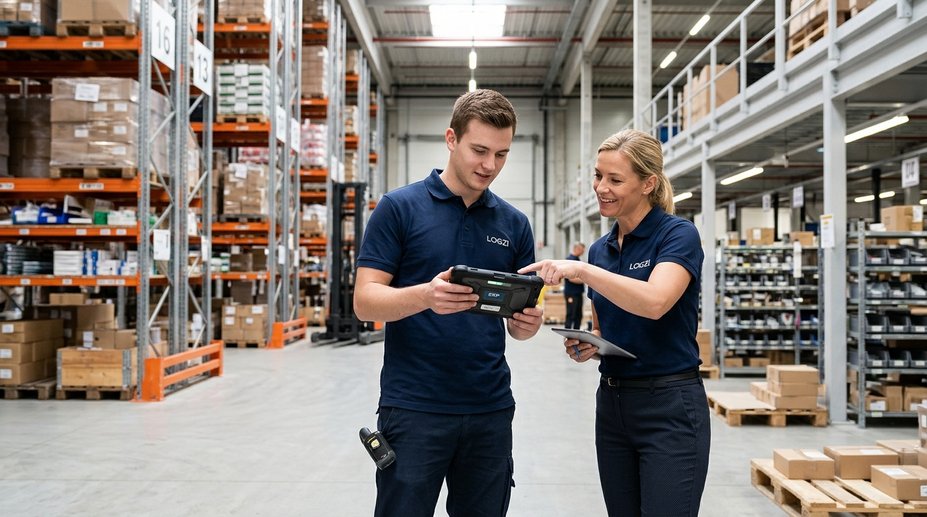
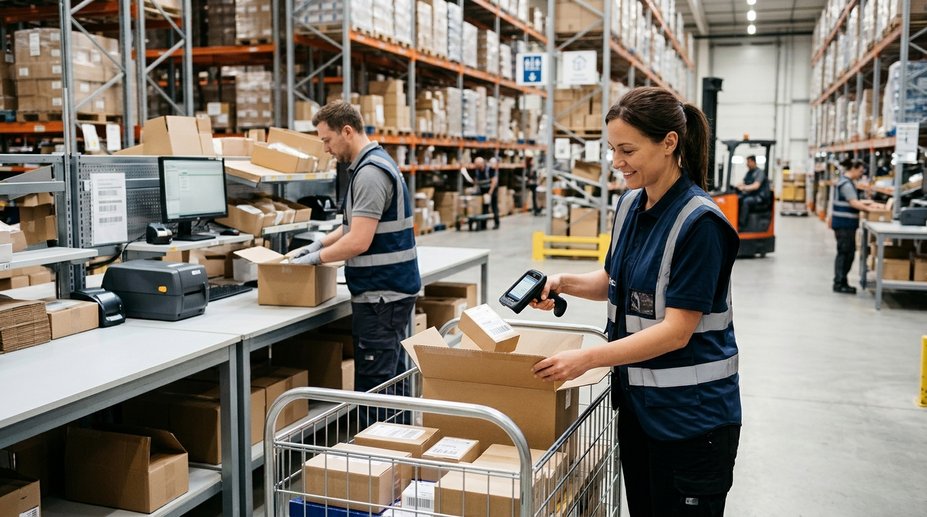
Consider a growing e-commerce distributor managing thousands of monthly stock keeping units. Without machine learning insights, warehouse teams must constantly analyze past sales trends manually to guess future restocking requirements. By contrast, embedding intelligent automation allows your enterprise infrastructure to process sales velocity, seasonal fluctuations, and supplier lead times instantly. This shift ensures continuous operational productivity while keeping inventory levels perfectly balanced without manual intervention.
Harnessing Logzi Predictive Analytics for Business Intelligence
Traditional business intelligence systems excel at telling you what happened yesterday, but modern decision-makers require real-time guidance on what will happen tomorrow. Logzi predictive analytics bridges this gap by continuously evaluating historical metrics, operational behavior, and live transaction streams to deliver actionable, forward-looking insights directly into your workflow dashboards.
A recent study on the economic potential of generative and predictive technologies from McKinsey & Company underscores that early adopters of integrated machine learning frameworks report significant reductions in operational expenditure alongside substantial yield improvements. By deploying Logzi's advanced algorithms, small and medium enterprises (SMEs) gain access to enterprise-grade forecasting tools that immediately elevate strategic decision-making capabilities.
7 Practical Steps to Embed AI into Your Daily Operations
Transitioning from basic manual management to an automated, intelligent ecosystem requires a clear roadmap. Here are seven actionable strategies you can implement right away to optimize your operations:
- 1. Automated Data Aggregation & Reporting in Logzi: Leverage Logzi's AI engines to automatically compile daily, weekly, and monthly operational reports, drastically reducing time spent on manual data entry and fragmented spreadsheet management.
- 2. Predictive Analytics for Workload Forecasting: Utilize Logzi’s predictive algorithms to anticipate peak task volumes, inventory demand, and resource bottlenecks, allowing team leads to allocate bandwidth proactively.
- 3. Smart Task Prioritization: Allow machine learning models to analyze historical performance data and recommend the optimal sequence for executing routine daily assignments to maximize throughput.
- 4. Real-Time Anomaly Detection: Implement automated monitoring within Logzi to instantly flag irregularities in daily routines, inventory discrepancies, or cash flow variations, enabling teams to resolve issues before they escalate.
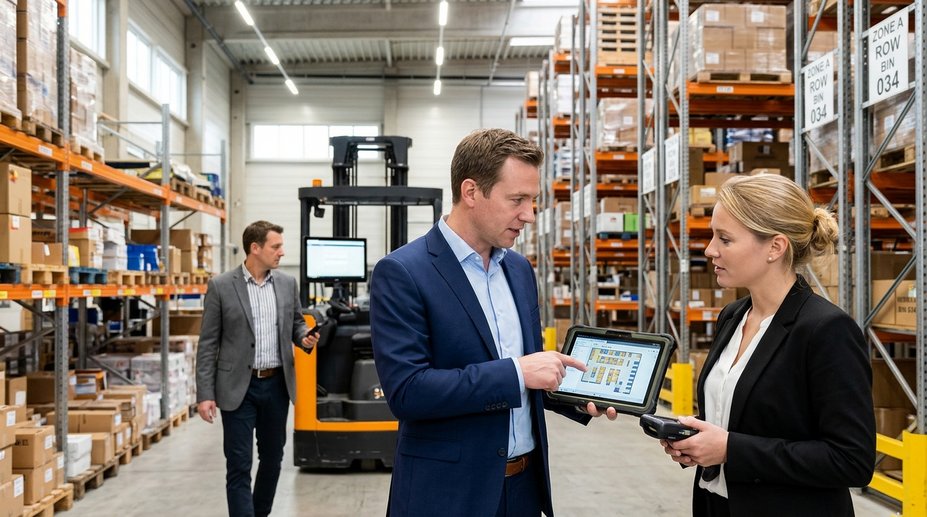
- 5. Customized Visual Dashboards: Build personalized business intelligence dashboards that transform complex predictive insights into intuitive visual summaries for immediate operational decision-making.
- 6. Trigger-Based Workflow Automations: Set up intelligent conditional triggers inside Logzi to automatically launch recurring administrative tasks, notification chains, or procurement requests based on predictive data milestones.
- 7. Continuous Model Optimization: Regularly evaluate Logzi’s predictive outputs and feed refined daily task performance data back into the system to continually improve recommendation accuracy and operational efficiency.
Driving Operational Productivity with AI-Driven Reporting
Data is useless if your leadership team spends hours sifting through raw tables to find actionable takeaways. AI-driven reporting changes the narrative by translating vast amounts of operational data into succinct, prioritized insights. Instead of spending your Monday mornings building customized executive presentations, smart reporting tools highlight top margin opportunities, flag underperforming product lines, and outline clear next steps automatically.
Furthermore, unifying artificial intelligence integration with your underlying ERP framework ensures every department operates from a single source of truth. Sales teams gain clear visibility into dynamic delivery timelines, procurement teams receive automated reorder triggers based on predictive demand, and finance executives monitor real-time margin projections. This holistic alignment fosters high cross-functional collaboration and delivers lasting process efficiency across your whole business.
Embracing intelligent workflow automation and routine task optimization is no longer a complex multi-year goal, but a practical step you can take today to elevate your business performance. By integrating machine learning insights and Logzi predictive analytics into your daily operations, you eliminate manual overhead, eliminate human error, and position your company for sustainable growth. Take control of your operational productivity now and experience how seamlessly Logzi ERP can revolutionize your daily workflows!