Reclaim Your Day: Smart Automation Combats Labor Shortages & Boosts Productivity by 2 Hours Daily
In today's dynamic business landscape, labor shortages aren't just a challenge—they're a significant drain on productivity and growth. But what if you could not only mitigate these shortages but also empower your existing workforce to reclaim 1–2 hours daily? Smart automation, integrated with modern ERP trends, offers a powerful solution to transform operational efficiency and foster a more engaged, productive team.
The Urgency of Addressing Labor Shortages in 2025
The global labor market continues to grapple with unprecedented shifts, pushing businesses to innovate their operational strategies. Companies across English-speaking countries, from bustling e-commerce warehouses to vital B2B service providers, are feeling the pinch. According to a 2025 report by Korn Ferry, the global talent crunch is projected to reach 85.2 million unfilled jobs by 2030, resulting in about $8.5 trillion in lost revenue. This isn't a distant future problem; it's impacting your bottom line today. Businesses need effective labor shortage solutions that go beyond traditional hiring. The answer lies in digital transformation, leveraging automated workflows to make every employee hour count.
Business Process Automation: Your Secret Weapon Against Inefficiency
Business process automation (BPA) is no longer a luxury; it's a necessity for survival and growth. Think about the daily tasks that consume valuable employee time: manual data entry, processing invoices, coordinating logistics, or responding to routine customer inquiries. These are prime candidates for task automation. By automating these repetitive, time-consuming activities, you free up your team to focus on strategic initiatives, customer engagement, and high-value work that truly drives your business forward. This isn't about replacing people; it's about empowering them to be more effective and efficient.
Enhancing Workforce Efficiency Through Workflow Optimization
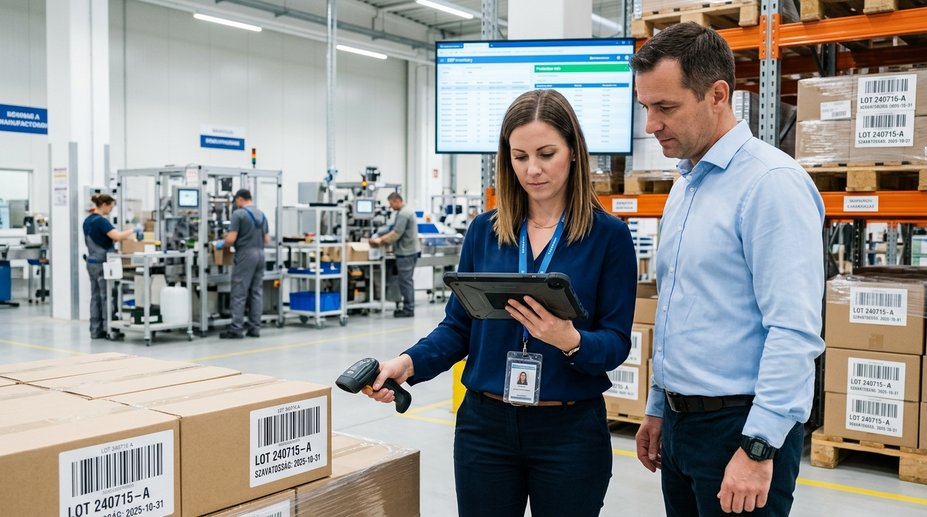
Optimizing workflows is critical to achieving peak workforce efficiency. It involves a systematic review of how tasks are performed, identifying bottlenecks, and then implementing automated solutions to streamline these processes. For instance, in a manufacturing setting, automating inventory checks and reorder points directly impacts production flow and reduces human error. In a service-oriented business, automated client onboarding procedures can significantly cut down administrative overhead. This kind of workflow optimization leads to substantial daily productivity hacks, putting back valuable hours into your employees' schedules.
Daily Productivity Hacks: Practical Steps to Automation Success
Embracing automation doesn't have to be an overhaul; it can start with small, impactful steps. Here are concrete, actionable tips to reclaim 1–2 hours daily through smart automation:
- 1. Audit and Identify Repetitive Daily Bottlenecks: Analyze daily employee routines to pinpoint time-draining, highly repetitive tasks—such as manual data entry, invoice processing, or copy-pasting customer details—that take up 1 to 2 hours every day.
- 2. Implement No-Code and Low-Code Workflow Automation: Utilize accessible tools like Zapier, Make, or Microsoft Power Automate to seamlessly connect your software stack and pass data automatically between applications without needing developer resources. This is particularly effective in e-commerce for syncing order data between your storefront and inventory system.
- 3. Deploy AI-Powered Communication Assistants: Integrate conversational AI chatbots for customer service inquiries, automated email drafting/scheduling software, and internal communication tools to eliminate constant back-and-forth communication overhead, freeing up your sales and support teams.
- 4. Standardize Internal Processes Before Automating: Establish clear, documented Standard Operating Procedures (SOPs) for key operations. Automating an already optimized process yields maximum efficiency and prevents software errors. This is crucial for B2B logistics or warehousing operations.
- 5. Streamline Data Capture and Document Processing: Adopt Optical Character Recognition (OCR) and automated document workflows to handle receipts, order forms, and client onboarding documentation instantly, drastically reducing manual input and potential errors in accounting or HR.
- 6. Train and Upskill Existing Staff: Shift employee mindsets from performing manual labor to supervising automated systems. Reinvest the saved hours into strategic initiatives, customer engagement, and skill building. This focus on employee upskilling transforms your workforce into automation strategists.
- 7. Measure, Iterate, and Expand Automation Efforts: Regularly track saved working hours and operational cost reductions. Use these metrics to continuously refine your automated pipelines and expand solutions to other departments, driving continuous operational efficiency.
The Role of Digital Transformation and ERP Trends
Digital transformation is the journey of integrating digital technology into all areas of a business, fundamentally changing how you operate and deliver value. At the heart of this transformation for many businesses, especially small to medium-sized enterprises (SMEs), is the ERP system. Modern ERP trends highlight cloud-based solutions, AI integration, and modular architectures that allow for seamless automated workflows. An ERP system acts as the central nervous system, connecting sales, inventory, finance, and operations, making it an ideal platform for task automation. For example, in wholesale distribution, an ERP can automate order processing from customer placement to warehouse picking and shipping notification, greatly reducing manual touchpoints and improving speed.
Operational Efficiency: Beyond Cost Savings
While cost savings are a significant benefit, achieving operational efficiency through automated workflows offers much more. It leads to reduced errors, improved data accuracy, faster response times, and enhanced customer satisfaction. Employees experience less frustration from repetitive tasks and feel more valued as their roles evolve towards more strategic oversight and problem-solving. A 2024 study by Gartner revealed that 70% of supply chain organizations expect to invest in automated workflows by 2026 to enhance resilience and efficiency. This demonstrates a clear industry shift towards leveraging technology to overcome operational hurdles.
Employee Upskilling: Building a Future-Ready Workforce
As automation takes over mundane tasks, the focus shifts to employee upskilling. This isn't about job displacement; it's about job evolution. Companies must invest in training their staff to manage, monitor, and optimize automated systems. Empowering employees with new digital skills not only increases their value to the company but also boosts morale and job satisfaction. Imagine your team, once bogged down by data entry, now analyzing trends, refining customer strategies, or innovating new service offerings. This is the true potential of integrating automation with employee growth.
Overcoming labor shortages and boosting daily productivity by 1–2 hours is not just a dream; it's an achievable reality with smart automation and a robust ERP foundation. By embracing digital transformation and focusing on automated workflows, businesses can navigate current challenges, empower their teams, and unlock unprecedented levels of operational efficiency. With Logzi ERP, you gain a powerful ally in this journey, simplifying complexities and driving your business forward.