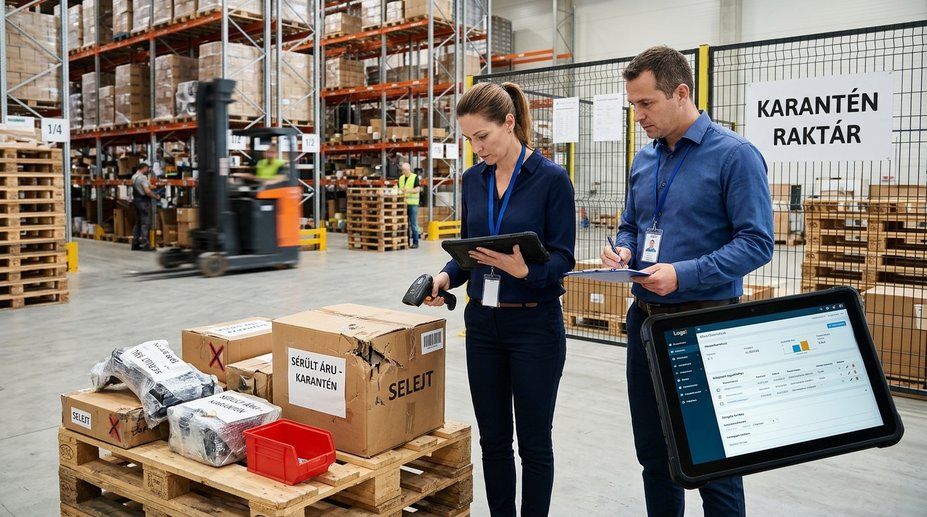
Mastering the Holiday Surge: Optimizing Your ERP for Black Friday & Christmas
As Black Friday, Cyber Monday, and the entire Christmas shopping season rapidly approach, businesses face an exhilarating yet daunting challenge: managing unprecedented demand spikes. Your Enterprise Resource Planning (ERP) system isn't just a backend tool; it's the nerve center that can make or break your holiday success. Preparing your ERP for this seasonal onslaught is paramount to ensuring seamless operations, delighted customers, and a profitable close to the year.
Understanding the Holiday Surge: Why Your ERP is Central
The holiday shopping season represents the culmination of retail and e-commerce efforts, bringing both immense opportunity and significant risk. From the frantic pace of Black Friday and Cyber Monday to the sustained intensity leading up to Christmas, businesses witness transaction volumes that can be multiples of their daily averages. Without a robust enterprise resource planning system at its core, this surge can quickly devolve into chaos, leading to lost sales, frustrated customers, and reputational damage. Your ERP system must flawlessly integrate sales channels, manage inventory, process orders, and orchestrate logistics, acting as the central intelligence hub that keeps your business running smoothly under pressure. It's not just about processing more transactions; it's about processing them faster, more accurately, and more efficiently.
Consider the ripple effect of a single bottleneck: a slow payment gateway ties up inventory, delayed order processing leads to missed shipping windows, and inaccurate stock levels result in overselling and customer disappointment. An optimized ERP system mitigates these risks by providing real-time visibility and control across your entire operation, from the moment a customer clicks 'buy' to the final delivery. It ensures that every department, from finance to fulfillment, is working with the most current and accurate data, transforming potential chaos into a finely tuned symphony of sales and satisfaction.
Proactive ERP System Optimization for Peak Performance
ERP system optimization is not a last-minute fix; it's an ongoing commitment, but it becomes critical in the months leading up to the holiday rush. This involves a comprehensive review of your system's architecture, database performance, and network infrastructure to identify and eliminate potential bottlenecks. Think about your database: is it indexed efficiently? Are there complex queries that could be simplified? Is your server hardware capable of handling a sudden spike in concurrent users and transactions? These are fundamental questions whose answers dictate your system's resilience.
Beyond hardware, consider your software configurations. Are background jobs scheduled to run during off-peak hours? Are all integrations with third-party platforms (e-commerce, payment gateways, shipping carriers) optimized for speed and reliability? Proactive optimization ensures that your ERP is not just functional, but high-performing, providing the foundation for successful holiday rush preparation. It’s about building a robust digital fortress capable of weathering the storm of peak demand without faltering.
- Conduct Infrastructure Stress & Load Testing: Simulate high-traffic scenarios well in advance to identify potential database bottlenecks, server memory limits, and integration slowdowns under peak transaction volumes. This proactive step is crucial for understanding your system's breaking points before they impact real customers.
- Cleanse and Validate Master Data: Ensure SKU details, vendor information, promotional pricing rules, and customer database records are fully updated and purged of duplicates prior to the shopping surge. Clean data prevents errors, speeds up processing, and enhances the customer experience.
Mastering Black Friday ERP Readiness: A Strategic Approach
Black Friday and Cyber Monday demand a level of precision and preparedness unlike any other period. Your Black Friday ERP readiness plan must be meticulous, accounting for every possible scenario. This includes pre-configuring all promotional pricing and discount codes well in advance, rigorously testing payment gateway integrations for speed and security, and ensuring your customer service modules are ready to handle an influx of inquiries. The short, intense nature of these sales events means there's little room for error; every second counts.
A strategic approach also involves closely coordinating with marketing and sales teams to align ERP capabilities with promotional strategies. Can your system handle flash sales that suddenly deplete stock? Can it accurately track limited-time offers? These considerations are vital. Furthermore, ensure your security protocols are heightened to protect against increased cyber threats during peak shopping periods. Industry projections for 2024 indicate a continued robust growth in global e-commerce, with holiday retail sales expected to surpass previous records. Analysts predict that global e-commerce sales during the holiday season of 2024 will continue their robust upward trajectory, with estimates indicating a potential increase of 10-15% over the previous year, highlighting the growing pressure on digital infrastructures. Source: Statista E-commerce Overview. This reinforces the need for meticulous preparation.
Seamless E-commerce Scale-Up and Order Processing Efficiency
The success of your holiday sales hinges significantly on your ability to execute a seamless e-commerce scale-up. Your ERP system's integration with your e-commerce platform must be flawlessly synchronized to provide real-time updates on product availability, pricing, and order status. This ensures that customers have an accurate view of what's available, preventing frustrating backorders or cancellations. As traffic surges, your ERP must scale to handle the increased load on its servers, databases, and network connections.
Crucially, order processing efficiency becomes a competitive advantage. Automated workflows, from payment authorization to fulfillment requests, minimize manual intervention, reduce errors, and accelerate throughput. This includes generating shipping labels automatically, updating inventory levels instantaneously, and sending out timely customer notifications. When your ERP is optimized for these tasks, you can handle a significantly higher volume of orders without compromising on speed or accuracy, directly contributing to customer satisfaction and repeat business.
- Automate Order Processing Workflows: Streamline the flow from payment authorization to fulfillment by removing manual entry points and leveraging automated rules for invoicing and shipping label generation. This reduces human error and dramatically increases processing speed.
Intelligent Inventory Management Automation for Seasonal Spikes
One of the most critical aspects of seasonal surge management is accurate and agile inventory control. Traditional, manual inventory tracking simply cannot keep pace with the velocity of holiday sales. This is where inventory management automation within your ERP system proves invaluable. By leveraging real-time data from all sales channels – online, in-store, and marketplace – your ERP can provide an accurate, unified view of stock levels. This capability prevents overselling, reduces the risk of stockouts for high-demand items, and allows for rapid replenishment decisions.
Beyond tracking, intelligent automation can also enhance demand forecasting. By analyzing historical sales data, current trends, and external factors, your ERP can help predict which products will be popular, enabling more precise ordering from suppliers. This minimizes carrying costs for slow-moving items and ensures adequate stock of bestsellers, directly impacting profitability. By 2025, it is estimated that nearly 60% of businesses will leverage AI-driven automation in their supply chain and inventory management to enhance forecasting accuracy and operational efficiency. Source: IBM Blog on AI in Supply Chain. This trend underscores the importance of advanced automation.
- Optimize Real-Time Inventory Tracking: Synchronize stock levels across all sales channels instantly to prevent overselling, backorders, and stockouts during high-demand shopping windows. This real-time visibility is non-negotiable for peak performance.
Ensuring Supply Chain Scalability and Vendor Collaboration
Your ERP system's role extends far beyond your internal operations; it is crucial for ensuring supply chain scalability. During the holiday rush, the efficiency of your entire supply chain – from procurement to warehousing and last-mile delivery – is tested. An integrated ERP facilitates seamless communication and data exchange with your suppliers, logistics partners, and third-party warehouses. This means accurate purchase orders, timely delivery notifications, and transparent tracking of goods in transit.
Effective vendor collaboration, powered by your ERP, allows you to proactively address potential supply chain disruptions. You can monitor supplier performance, anticipate lead times, and make informed decisions about alternative sourcing if needed. Furthermore, robust ERP capabilities enable you to optimize warehouse operations, from picking and packing to shipping, ensuring that goods move through your system as quickly and efficiently as possible. This end-to-end visibility and control are critical for meeting heightened customer expectations during peak periods.
- Implement Robust Backup & Security Protocols: Set up continuous data backups, verify system rollback procedures, and enforce security patches to safeguard against cyber threats and unexpected downtime. Data integrity and system availability are paramount during the holiday season.
The Critical Role of ERP Load Testing and Contingency Planning
Ignoring ERP load testing before the holiday season is akin to going into battle without inspecting your weapons. This crucial step involves simulating realistic peak load scenarios to identify performance bottlenecks and system vulnerabilities. It’s not enough to simply ensure your system works; you need to ensure it works flawlessly under immense pressure. Load testing helps you understand your system’s limits, revealing where database queries might slow down, where network latency might become an issue, or where server resources might be exhausted.
Beyond identifying weaknesses, contingency planning is equally vital. What happens if a critical server fails? How quickly can you switch to a backup? Do you have a disaster recovery plan in place that ensures minimal downtime and data loss? These plans should be tested and rehearsed. Furthermore, your IT and support teams must be fully prepared. Providing them with comprehensive training, quick-reference guides, and clear escalation paths ensures that any issues that do arise can be resolved swiftly, minimizing impact on sales and customer experience.
- Establish On-Demand Technical Support & Staff Training: Prepare cross-functional teams with quick-reference troubleshooting guides and secure 24/7 priority support from your ERP vendor during critical sales events. Prepared staff can address issues quickly, minimizing disruptions.
Beyond the Rush: Continuous Improvement and Post-Season Analysis
The holiday rush isn't just a period to survive; it's a valuable learning opportunity. Once the peak season subsides, the work of continuous improvement begins. Performing post-peak audits and analytics on your ERP system's performance is essential. Review system logs for errors, analyze order processing times, evaluate the efficiency of your inventory management automation, and gather feedback from all departments involved. This data provides invaluable insights into what worked well and, more importantly, what areas need further refinement for future peak periods.
This analytical phase is key to leveraging your enterprise resource planning investment for long-term growth. It allows you to fine-tune your configurations, optimize workflows, and adapt your strategies based on real-world performance data. By continuously iterating and improving your ERP setup, you ensure that each subsequent holiday season becomes smoother, more efficient, and ultimately, more profitable. This dedication to continuous improvement transforms seasonal challenges into opportunities for sustained operational excellence.
- Perform Post-Peak Audits & Analytics: Review system performance logs, order processing times, and platform errors after the surge to document lessons learned and refine your ERP setup for future peak periods. This data-driven approach fosters continuous improvement.
Navigating the complexities of the holiday shopping season requires more than just preparation; it demands a strategically optimized and resilient ERP system. By focusing on ERP system optimization, robust holiday rush preparation, and meticulous Black Friday ERP readiness, you can transform seasonal spikes from daunting challenges into unprecedented opportunities for growth. Implementing intelligent inventory management automation, ensuring order processing efficiency, and building supply chain scalability are not just best practices—they are necessities for success. With a well-prepared ERP like Logzi, you empower your business to not only withstand the holiday surge but to truly thrive, delivering exceptional customer experiences and achieving your most ambitious sales targets. Embrace the future of retail with an ERP system that's built for scale, speed, and success.