Mastering Returns Management: How an Efficient RMA Process Drives Customer Loyalty and Satisfaction
In today's competitive landscape, effective returns management isn't just about handling unwanted items; it's a strategic imperative for fostering customer loyalty and satisfaction. An optimized Return Merchandise Authorization (RMA) process transforms a potential pain point into an opportunity to strengthen customer relationships, bolster your brand reputation, and ensure sustainable business growth.
The Evolving Landscape of E-commerce Returns and Customer Expectations
The rise of e-commerce has dramatically shifted consumer expectations. Customers now demand seamless, hassle-free returns as a standard part of their post-purchase experience. This expectation isn't just a preference; it's a critical factor influencing purchasing decisions and repeat business. When a return process is cumbersome, confusing, or slow, it can quickly erode trust and drive customers to competitors.
Understanding this shift is the first step toward building a robust returns strategy. Companies must view returns not as a cost center, but as an integral part of the customer journey, with the potential to either delight or disappoint. Focusing on customer satisfaction throughout the entire returns process, from initiation to refund, is paramount.
Why an Automated RMA Process is Your Secret Weapon
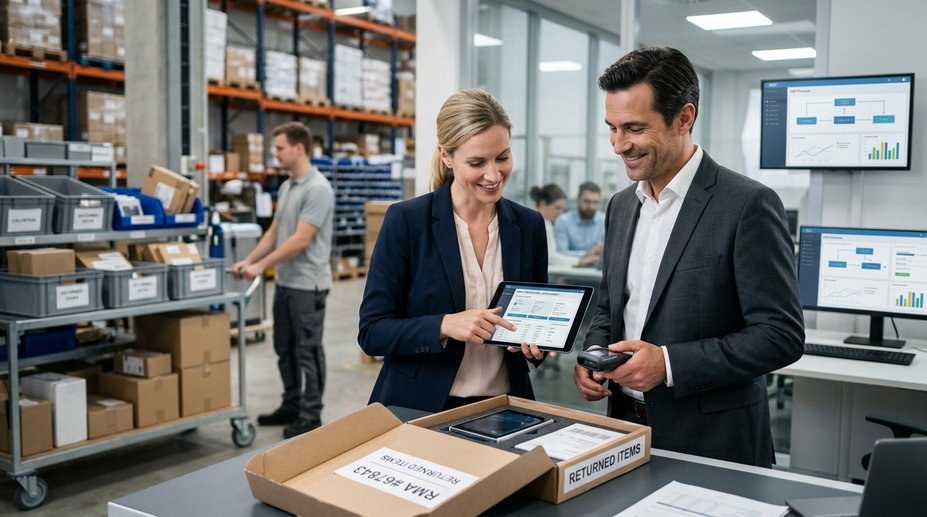
Manual RMA processes are often riddled with inefficiencies: paperwork, endless email chains, data entry errors, and significant delays. An automated RMA system, integrated with your ERP, streamlines every step, providing clarity and speed for both your customers and your internal teams. This automation is crucial for modern businesses, especially those in e-commerce, where return volumes can be substantial.
Automating your RMA not only reduces operational costs but also enhances the overall customer experience. It empowers customers with self-service options, minimizes the need for human intervention in routine tasks, and provides real-time visibility into return status. This level of transparency builds confidence and reduces anxiety, key elements of customer satisfaction.
Navigating Reverse Logistics: A Path to Supply Chain Efficiency
Beyond the customer-facing aspects, effective returns management is deeply intertwined with reverse logistics. This complex process involves the movement of goods from their typical final destination for the purpose of capturing value or proper disposal. An inefficient reverse logistics chain can lead to increased warehousing costs, depreciated inventory, and missed opportunities for resale or refurbishment.
Integrating your RMA process with your broader supply chain management and ERP system allows for better inventory tracking, optimized warehouse operations, and more strategic decision-making regarding returned items. Whether an item needs to be restocked, repaired, recycled, or liquidated, a well-managed reverse logistics system ensures that each returned product follows the most cost-effective and environmentally sound path.
Practical Strategies for Optimizing Your Returns Management
To truly master returns management and drive customer loyalty, consider implementing these actionable strategies:
- Automate the Return Merchandise Authorization (RMA) Portal: Provide a branded, self-service online portal where customers can easily initiate returns, select return reasons, generate pre-paid shipping labels, and track their package in real time. This significantly reduces friction and improves the post-purchase experience.
- Establish Clear and Transparent Return Policies: Display concise, straightforward return terms prominently on your website, at checkout, and within confirmation emails. This builds pre-purchase trust and eliminates confusion during the post-purchase phase, leading to higher customer satisfaction.
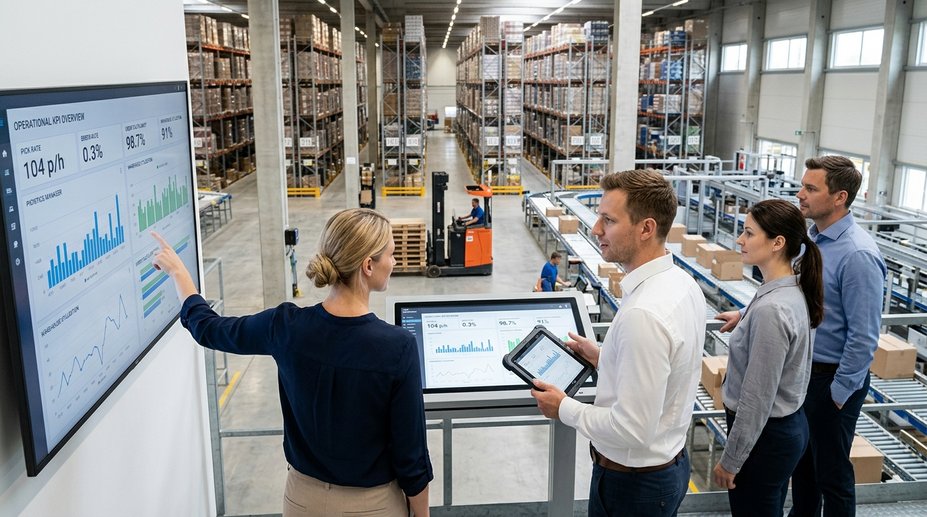
- Leverage Data Analytics to Address Root Causes: Continuously track and analyze return reasons—such as incorrect sizing, product defects, or misleading descriptions. Use this invaluable data to improve product quality, refine supplier standards, enhance listing accuracy, and prevent future returns.
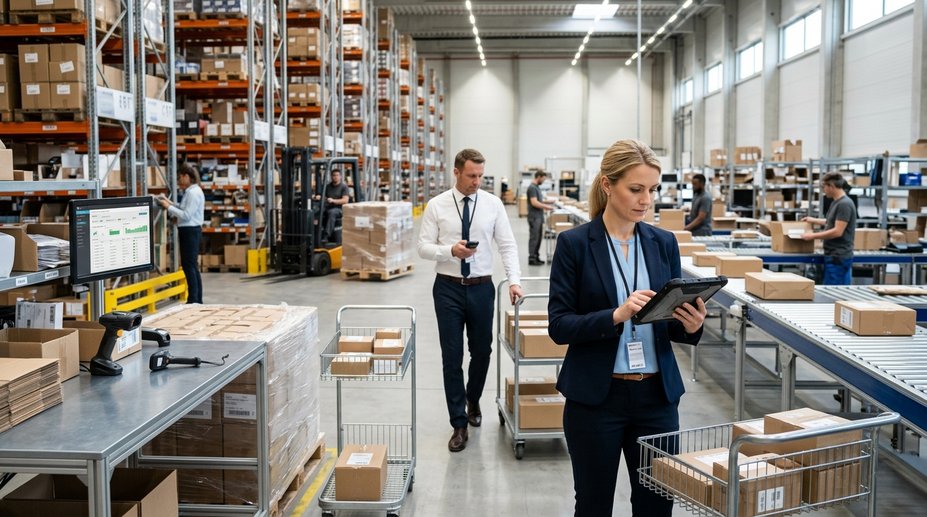
- Streamline Reverse Logistics and Warehouse Operations: Optimize your inbound receiving, inspection, and sorting workflows. Rapidly determine whether items should be restocked, refurbished, liquidated, or recycled, minimizing holding costs and maximizing recoverable value.
- Speed Up Refund Processing and Maintain Communication: Issue prompt refunds or store credits once returned items pass inspection. Send automated notifications at key steps (e.g., return received, refund processed) to reassure customers and keep them informed, fostering trust.
- Offer Flexible Drop-off and Eco-Friendly Return Options: Increase convenience by supporting printerless QR-code drop-offs, local carrier access points, or Buy-Online-Return-In-Store (BORIS) programs. These options reduce environmental impact and friction for customers, enhancing the overall experience.
- Convert Returns into Exchange and Upsell Opportunities: Integrate smart recommendations within the online return portal to offer instant product exchanges, alternative items, or store credit bonuses. This not only retains revenue but also turns a potential loss into a continued sale, boosting customer retention.
ERP Trends Shaping the Future of Returns
Modern ERP systems are at the forefront of revolutionizing returns management. The trend towards cloud-based, AI-driven, and highly integrated ERP solutions offers unprecedented capabilities. For example, AI can predict return likelihood based on purchase history and product characteristics, allowing for proactive interventions. Furthermore, real-time data synchronization between e-commerce platforms, warehouse management systems (WMS), and financial modules within the ERP ensures a holistic view of every return.
Another significant trend is the increasing demand for personalized return experiences. ERP systems facilitate this by providing customer-specific return options based on loyalty status, purchase history, or geographic location. This level of personalization elevates the post-purchase experience and reinforces brand loyalty.
The Impact of Returns Management on Customer Retention
Customer retention is the lifeblood of any successful business. A positive return experience can turn a one-time buyer into a loyal, repeat customer. Conversely, a poor experience can lead to lost business and negative word-of-mouth. Think of the last time you had a difficult return – did you go back to that retailer? Probably not. The ease and fairness of your return policy and process directly impact customer lifetime value.
Studies consistently show that customers are willing to pay more for brands with excellent return policies. According to a 2025 Retail Dive report, 88% of consumers consider a company's return policy before making a purchase, highlighting its critical role in pre-purchase decision-making. Source: Retail Dive 2025 Report. This underlines the need to not just have a policy, but to actively optimize the entire returns management process.
Driving Customer Satisfaction Through Hassle-Free Returns
Hassle-free returns are a powerful differentiator in a crowded marketplace. When customers know they can easily return an item if it doesn't meet their expectations, they feel more confident making a purchase. This confidence translates directly into increased sales and higher customer satisfaction. It reduces buyer's remorse and builds a strong sense of trust between the consumer and your brand.
Moreover, an efficient RMA process can significantly reduce the amount of time customer service teams spend on return-related inquiries, freeing them up to handle more complex issues and provide higher-value support. This internal efficiency ultimately contributes to a better external customer experience.
The Financial Benefits of Optimized Supply Chain Efficiency
While customer loyalty is a primary benefit, the financial advantages of an optimized returns management system are equally compelling. Poor reverse logistics can lead to substantial losses through inventory write-offs, increased labor costs, and extended processing times. By streamlining the entire process, businesses can recover more value from returned goods, reduce operational overheads, and improve cash flow.
For instance, a recent industry analysis projected that companies implementing advanced reverse logistics solutions could see a reduction in return processing costs by up to 25% by 2025. Source: Statista Industry Projections 2025. This significant saving can be reinvested into other areas of the business, driving further growth and innovation. The investment in robust returns management, therefore, yields clear ROI.
Beyond the Transaction: Cultivating a Positive Post-Purchase Experience
The post-purchase experience extends far beyond the moment a customer receives their order. It encompasses product usage, support interactions, and critically, the returns process. A smooth, positive return experience can be a powerful determinant of whether a customer returns to your brand for future purchases. It demonstrates your commitment to customer satisfaction and reinforces your brand's values.
By transforming returns from a potential negative into a positive interaction, you actively contribute to customer retention. This proactive approach ensures that even when a product isn't a perfect fit, the overall brand experience remains exceptional, safeguarding your relationship with the customer.
Unlocking Your Business Potential with Strategic Returns Management
Mastering returns management through an efficient RMA process is no longer optional; it's a fundamental pillar of modern business success. By embracing automation, optimizing reverse logistics, and prioritizing customer satisfaction at every turn, you can build a system that not only minimizes losses but actively drives customer loyalty and boosts your bottom line.
Imagine the positive impact of a fully integrated ERP system that seamlessly handles every aspect of your returns, from initial customer request to final inventory disposition. This level of control and efficiency ensures a superior post-purchase experience, fosters unwavering customer retention, and enhances overall supply chain efficiency. Invest in a robust solution that empowers your business to turn every return into an opportunity for growth and strengthens your customer relationships for the long term.