Mastering Growth: The Strategic ROI of Scalable ERP in Today's Dynamic Market
In today's fiercely competitive landscape, businesses aren't just looking for software; they're seeking a strategic partner that can evolve with them. The true strategic ROI of enterprise software scalability hinges on how modern ERP systems future-proof growing businesses, ensuring agility and sustained success.
Why ERP Scalability is Non-Negotiable for Business Growth Tech
In an era defined by rapid change, the ability of your enterprise resource planning (ERP) system to scale seamlessly is no longer a luxury—it's a fundamental requirement for survival and growth. As your business expands, so do your operational complexities, data volumes, and user demands. A static ERP system quickly becomes a bottleneck, hindering innovation and efficiency. Scalable ERP solutions, particularly those built on cloud architectures, offer the elasticity needed to adapt without requiring disruptive and costly overhauls.
Think about a fast-growing e-commerce retailer experiencing a sudden surge in sales during a holiday season or a manufacturing firm expanding into new product lines. Without a scalable ERP, these growth opportunities could quickly turn into logistical nightmares, leading to missed orders, dissatisfied customers, and ultimately, reputational damage. Modern cloud ERP systems are designed with this dynamic reality in mind, offering modularity and flexible resource allocation that can handle peak loads and new operational requirements with ease.
Decoding Software ROI: Beyond Initial Costs
When evaluating enterprise software, many businesses fixate solely on the upfront investment. However, true software ROI is determined by the total cost of ownership (TCO) over the long term, including implementation, maintenance, upgrades, and most importantly, the system's ability to support future growth without incurring technical debt. A highly scalable ERP system, while potentially having a higher initial cost than a less robust alternative, delivers superior long-term value by eliminating the need for frequent, expensive re-implementations as your business evolves.
Consider the cost of an outdated system that can't integrate new technologies, leading to manual data entry, errors, and significant productivity losses. These hidden costs erode profitability and stifle innovation. A modern ERP provides robust integration capabilities, automates routine tasks, and offers real-time insights, all contributing to a significant return on investment through enhanced operational efficiency and strategic decision-making. For instance, according to a recent report, companies utilizing scalable cloud ERP solutions reported an average of 15% higher operational efficiency and a 20% reduction in IT infrastructure costs by 2025 compared to those on legacy systems. Source: Statista Global Cloud ERP Market Report 2025.
The Cloud ERP System Advantage: Agility and Accessibility
The shift to cloud ERP systems has been a game-changer for businesses seeking scalability and flexibility. Unlike on-premise solutions that require significant hardware investments and dedicated IT teams for maintenance, cloud ERP offers a subscription-based model, reducing capital expenditure and shifting operational burdens to the vendor. This not only lowers TCO but also ensures that your system is always up-to-date with the latest features and security patches.
Cloud ERP also provides unparalleled accessibility, allowing your teams to work from anywhere, anytime, on any device. This is crucial for global enterprises or those with remote workforces, fostering collaboration and ensuring business continuity. Furthermore, cloud providers often offer advanced security measures that small to medium-sized businesses might struggle to implement on their own, protecting sensitive data from ever-evolving cyber threats.
Harnessing Digital Transformation for Operational Efficiency
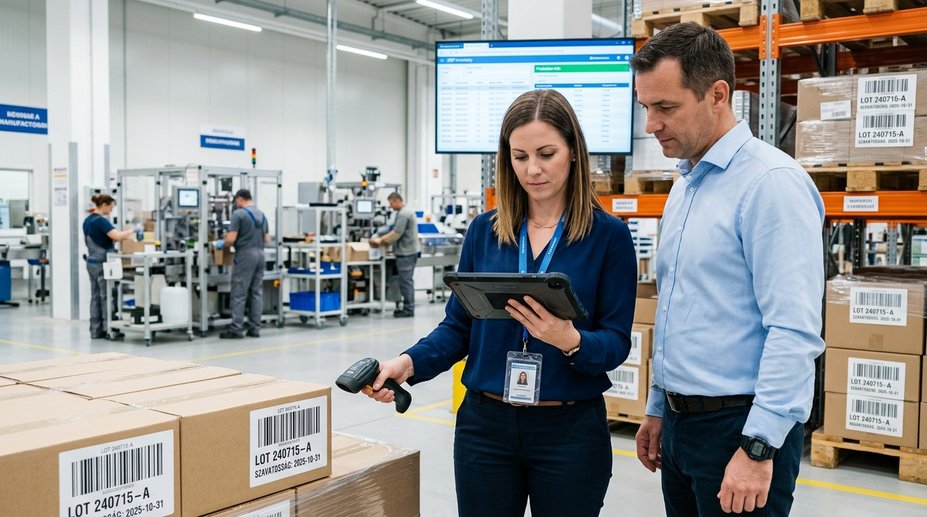
Digital transformation isn't just a buzzword; it's a strategic imperative that modern ERP systems power. By centralizing data and automating processes across finance, HR, supply chain, and customer relationship management, ERP enables a holistic view of your operations. This integrated approach eliminates data silos, reduces manual errors, and provides real-time insights that drive better decision-making.
For a B2B logistics company, digital transformation through ERP means optimized routing, real-time inventory tracking, and predictive maintenance for vehicles. For a B2C retail brand, it translates to personalized customer experiences, efficient order fulfillment, and accurate demand forecasting. The operational efficiency gained through a well-implemented ERP system is a direct contributor to profitability and market competitiveness. In fact, a study predicts that by 2025, 65% of businesses adopting advanced digital transformation strategies through ERP will outperform their peers by at least 10% in revenue growth. Source: Gartner Digital Transformation Predictions 2025.
Modular Enterprise Software: The Key to Future-Proofing IT Infrastructure
The concept of modular enterprise software is at the heart of future-proofing IT infrastructure. Traditional monolithic ERP systems were rigid and difficult to adapt. Modern ERP, however, embraces a modular architecture, often built on microservices, allowing businesses to select and deploy only the functionalities they need. This approach enables greater flexibility and customization without disrupting the entire system.
Imagine a manufacturing company that initially needs core financial and inventory management modules but later expands into complex supply chain optimization and advanced production planning. With a modular ERP, they can seamlessly add these new functionalities as separate modules, integrating them with existing components without a full system overhaul. This 'plug-and-play' capability ensures that your IT infrastructure can scale precisely with your business requirements, avoiding unnecessary complexity and cost.
Scalable Architecture: Building a Foundation for Endless Growth
A truly scalable architecture is designed from the ground up to handle increasing demands without compromising performance. This involves robust database management, efficient resource allocation, and a flexible framework that can easily accommodate new integrations and technologies. Cloud-native ERP platforms exemplify this, leveraging elastic computing and distributed databases to manage vast amounts of data and transactional loads.
When you're choosing an ERP, look for systems that offer automatic scaling capabilities, meaning they can dynamically adjust resources based on demand. This is particularly important for businesses with fluctuating operational needs, such as seasonal retail or project-based services. A well-designed scalable architecture ensures that your ERP system remains responsive and reliable, no matter how fast your business grows.
Practical Steps to Maximize Your ERP Scalability and ROI
- Adopt a Modular Cloud Architecture: Choose cloud-native ERP platforms that offer microservices and flexible add-ons, allowing you to seamlessly add capabilities as business demands expand without requiring a complete system overhaul.
- Prioritize Flexible API Integration: Ensure your ERP features robust RESTful APIs to integrate easily with third-party CRM, supply chain, and BI tools, preventing data silos as your tech stack evolves.
- Leverage Automated Elastic Resource Allocation: Utilize auto-scaling cloud infrastructure that dynamically handles peak transactional loads, maintaining optimal system performance during rapid growth or seasonal spikes.
- Implement Scalable Data Management & Analytics: Establish resilient database schemas and integrated predictive analytics that handle expanding data volumes, converting operational metrics into strategic business insights.
- Focus on Flexible Role-Based Governance: Configure adaptable enterprise governance models with dynamic role permissions and compliance tracking to smoothly accommodate organizational and workforce expansion.
- Plan for Continuous, Non-Disruptive Upgrades: Partner with vendors offering continuous software deployment and backward-compatible updates to ensure long-term alignment with emerging market demands.
- Optimize Total Cost of Ownership (TCO): Continuously evaluate long-term software ROI by prioritizing platforms that eliminate technical debt and avoid expensive re-implementations as operations scale globally.
Future-Proofing Your Business: A Strategic Imperative
In conclusion, the strategic ROI of enterprise software scalability is clear: it's about building a resilient, adaptable, and efficient business capable of navigating the complexities of modern markets. By investing in modern ERP systems, you're not just buying software; you're investing in a future-proof IT infrastructure that will support your business growth tech, enhance operational efficiency through digital transformation, and deliver a compelling software ROI for years to come.
The journey to enhanced efficiency and growth begins with a robust enterprise resource planning solution. Imagine a system that grows with you, adapts to your unique challenges, and empowers your team to achieve more. This is the promise of a truly scalable ERP system, designed to elevate your business operations and propel you forward.