Boosting Profits: ERP Automation Features That Deliver Maximum ROI in Manufacturing
In today's competitive landscape, manufacturers are constantly seeking ways to enhance efficiency, reduce costs, and accelerate growth. The strategic implementation of an Enterprise Resource Planning (ERP) system, particularly its automation features, is no longer a luxury but a necessity for achieving these goals. This article dives into the specific ERP manufacturing automation features that offer the highest return on investment, transforming your operations from the shop floor to strategic planning.
The Core of Manufacturing Excellence: Enterprise Resource Planning
Enterprise Resource Planning (ERP) systems serve as the central nervous system for modern manufacturing companies, integrating diverse functions like production, inventory, sales, and finance into a unified platform. For businesses in English-speaking countries, particularly those eyeing global competitiveness, leveraging an ERP goes beyond mere data management; it's about intelligent automation that drives tangible results. Focusing on high ROI ERP modules means pinpointing the functionalities that directly translate into cost savings, increased output, and improved decision-making.
As we move deeper into 2025, the trend towards hyper-automation in manufacturing continues to accelerate. Recent industry reports indicate that by 2025, 60% of manufacturing companies will have invested significantly in AI-driven process automation within their ERP systems to improve operational resilience and agility. Source: Gartner
Automated Production Scheduling: Maximizing Throughput and Minimizing Downtime
One of the most impactful areas for ERP manufacturing automation is automated production scheduling. Manual scheduling is prone to errors, inefficiencies, and suboptimal resource allocation. An advanced ERP system with automated production scheduling capabilities can dramatically improve your shop floor operations. These modules use sophisticated algorithms to optimize production sequences, taking into account machine availability, material constraints, labor resources, and order priorities.
- Implement dynamic, finite-capacity scheduling tools: These tools eliminate operational bottlenecks, reduce setup times, and maximize overall machine throughput. By intelligently allocating resources, your ERP ensures that every machine and workstation is utilized to its full potential, preventing costly idle time and overloads.
The ability to respond quickly to changes in demand or supply chain disruptions is a significant competitive advantage. Automated scheduling not only streamlines daily operations but also provides the agility needed to adjust plans on the fly, maintaining production flow and meeting delivery commitments.
Inventory Optimization Software: Cutting Costs and Eliminating Waste
Effective inventory management is critical for profitability, yet it's often a source of significant waste and capital tie-up. Inventory optimization software integrated within your ERP system offers powerful tools to achieve the delicate balance between having enough stock to meet demand and avoiding excessive carrying costs. This is where real-time data tracking becomes indispensable.
- Utilize automated RFID and barcode tracking: Integrated directly with your ERP, this technology eliminates material shortages, prevents overstocking, and significantly lowers carrying costs. By providing precise, up-to-the-minute data on inventory levels and locations, you can make informed decisions and prevent costly discrepancies.
Beyond tracking, advanced inventory modules incorporate demand forecasting and lean manufacturing principles. They can predict future needs based on historical data, seasonal trends, and current orders, automatically triggering reorder points and optimizing order quantities. This intelligent approach to material requirements planning (MRP) is fundamental for cost reduction in manufacturing.
Real-Time Data Tracking and Shop Floor Automation: Unveiling Hidden Efficiencies
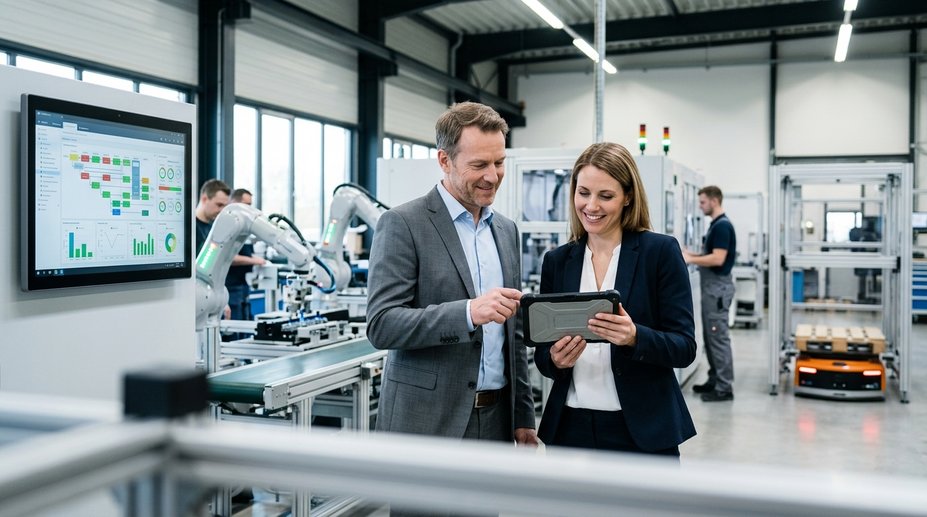
The shop floor is where raw materials transform into finished goods, and it's also where significant inefficiencies can hide. Shop floor automation, powered by real-time data tracking through your ERP, provides unprecedented visibility into every aspect of production. This includes machine performance, labor utilization, and material consumption.
- Deploy automated machine telemetry: This tracks Overall Equipment Effectiveness (OEE) and labor efficiency in real time, exposing hidden cost centers. By understanding exactly how your assets are performing, you can identify bottlenecks, schedule proactive maintenance, and optimize production flows.
Capturing data directly from machines, sensors, and operators, your ERP can instantly update production schedules, inventory levels, and financial records. This eliminates manual data entry, reduces human error, and provides a single, accurate source of truth for all operational metrics. The benefits extend to quality control, allowing for immediate identification and correction of production issues, thus decreasing scrap rates and rework.
Predictive Maintenance Workflows: Proactive Uptime, Not Reactive Downtime
Unplanned downtime is a manufacturer's nightmare, leading to lost production, missed deadlines, and increased operational costs. Integrating predictive maintenance workflows into your ERP system leverages the power of IoT and data analytics to transform maintenance from a reactive to a proactive function.
- Connect IoT sensors with your ERP module: This schedules maintenance based on actual machine usage and performance trends, dramatically reducing costly unplanned downtime. By monitoring vibration, temperature, and other key parameters, the system can predict equipment failures before they occur, allowing for timely intervention.
This approach not only extends the lifespan of your machinery but also optimizes maintenance schedules, ensuring that interventions occur during planned downtime or at optimal times that minimally disrupt production. The ROI comes from significantly reduced repair costs, increased machine longevity, and consistent production output.
Smart Material Requirements Planning (MRP): Precision in Procurement
Material Requirements Planning (MRP) has long been a cornerstone of manufacturing, but modern ERP systems elevate it to a new level of sophistication. Smart MRP goes beyond simple calculations, leveraging real-time inventory data, production schedules, and demand forecasts to ensure that the right materials are available at the right time, in the right quantities.
- Leverage real-time demand forecasting: This automates purchase orders, ensuring precise timing for raw material deliveries without locking up excess capital. This minimizes holding costs and mitigates the risk of stockouts that could halt production.
The integration of MRP with supplier relationship management (SRM) within the ERP further streamlines procurement. It can automate communications with suppliers, track delivery performance, and even suggest alternative suppliers based on pricing and availability, leading to significant cost reduction in manufacturing.
Automated Quality Control and End-to-End Traceability: Building Trust and Compliance
Quality is paramount in manufacturing, impacting brand reputation, customer satisfaction, and regulatory compliance. ERP manufacturing automation can embed quality control directly into the production process, ensuring consistent standards and providing complete traceability.
- Embed automated inspection logs and batch tracking: This catches production defects early, decreases scrap rates, and simplifies regulatory compliance. From raw material inspection to final product assembly, every step can be monitored and recorded.
End-to-end traceability means that for any product, you can track its journey from raw materials through every stage of production, including specific machine usage, operator actions, and quality checks. This is invaluable for recalls, audits, and demonstrating adherence to industry standards, significantly reducing potential liabilities and safeguarding your business.
Granular Job Costing and Financial Automation: Unveiling True Profitability
Understanding the true cost of production is essential for strategic pricing and profitability analysis. ERP systems with advanced financial automation and granular job costing capabilities provide unparalleled insight into the financial performance of every product, batch, or project.
- Automatically capture direct and indirect operational expenses per batch: This provides full visibility into exact margin metrics and individual product line profitability. This level of detail allows manufacturers to identify their most profitable products, understand the true cost of less profitable ones, and make data-driven decisions about product portfolios and pricing strategies.
This integration extends to automated invoicing, expense management, and financial reporting, reducing manual accounting tasks and improving accuracy. By providing real-time financial data linked directly to operational performance, manufacturers can react quickly to market changes and optimize their financial strategies.
A study by Deloitte found that companies that prioritize digital transformation and automation in their manufacturing operations see an average 20% increase in productivity and a 15% reduction in operational costs by 2025. Source: Deloitte
The Future is Automated: Embracing Manufacturing Process Integration
The ultimate goal of ERP manufacturing automation is seamless manufacturing process integration. This means all modules—from design and engineering to production, sales, and service—communicate and share data effortlessly. This holistic approach eliminates data silos, improves cross-departmental collaboration, and provides a comprehensive view of your entire operation.
By embracing these high ROI ERP modules, manufacturing companies can not only achieve significant cost reduction in manufacturing but also foster innovation, enhance customer satisfaction, and position themselves for sustainable growth. The journey towards a fully automated and integrated manufacturing environment is a strategic imperative that promises substantial returns.
To truly unlock your manufacturing potential and stay ahead of the curve, you need an ERP system designed with these critical automation features in mind. Consider how a robust ERP solution like Logzi can elevate your operations, turning complex challenges into streamlined successes and ensuring you capture the highest possible ROI from your technology investments. Don't just keep pace; set it.