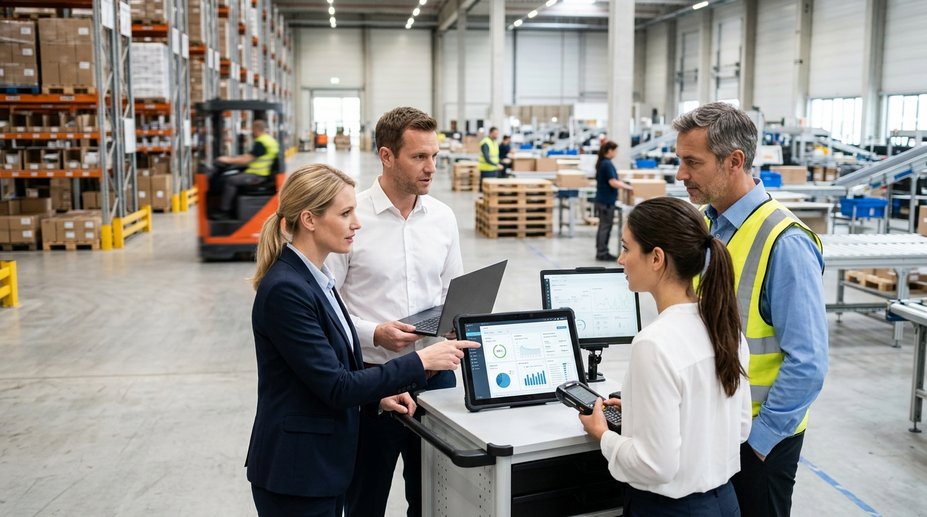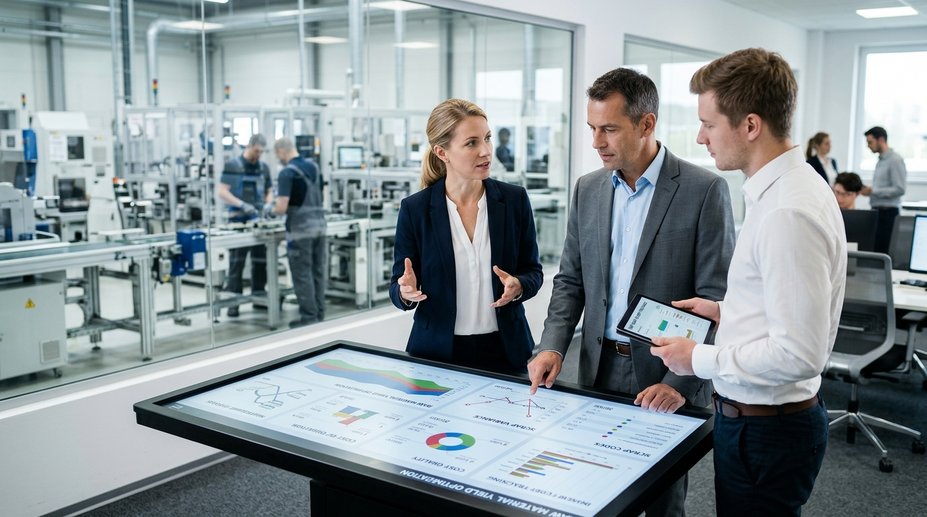
Modern supply chains demand precision, and relying on gut feeling to manage frontline labor is no longer viable. Implementing a data-driven HR framework combined with robust warehouse management systems enables logistics leaders to optimize labor allocation, boost output, and reduce turnover. By transforming operational raw data into actionable workforce analytics, your warehouse can achieve sustainable growth and peak efficiency.
For decades, warehouse labor management relied heavily on subjective supervisor observations and basic punch-clock metrics. However, rapid growth in e-commerce, global trade complexities, and rising labor costs have transformed human resources into a key strategic function. Data-driven HR leverages actionable operational insights to bridge the gap between human resource strategies and everyday warehouse operational performance.
Integrating modern enterprise planning tools with human resource processes allows decision-makers to evaluate performance far beyond simple attendance. By analyzing data collected directly from warehouse management systems, HR leaders gain clear visibility into pick speeds, order processing cycles, error frequencies, and shift utilization patterns. This quantitative visibility empowers warehouse managers to make proactive decisions, optimize staffing rosters, and deploy targeted training programs where they are needed most.
According to recent industry research published by Gartner, organizations prioritizing operational labor analytics report up to a 20% increase in facility productivity within the first year of implementation. Furthermore, research from McKinsey & Company indicates that companies deploying advanced workforce analytics experience up to a 15% reduction in employee turnover rates across regional distribution centers.
To successfully optimize labor performance, operations teams must monitor the right metrics. Relying solely on gross output can lead to inaccurate conclusions and employee dissatisfaction. A balanced score-card strategy combining speed, quality, and engagement metrics offers a comprehensive view of operational health.
Logistics leaders routinely rely on key warehouse productivity metrics to maintain operational control:
Disconnected technology stacks create data silos that hinder growth. When human resource departments operate independently from warehouse floor software, managers miss critical contextual insights. Integrating warehouse management systems directly with enterprise resource planning (ERP) platforms creates a unified ecosystem for accurate data evaluation.
An integrated software landscape automatically logs work sessions, task completions, device interactions, and movement metrics in real time. Rather than asking supervisors to manually fill out spreadsheets at the end of a shift, modern ERP platforms gather clean operational data continuously. This automation ensures high data integrity while freeing managers to focus on floor coaching and team engagement.
Improving labor output requires a deliberate, empathetic strategy that aligns operational business goals with staff development. Below are essential practices for driving long-term logistics workforce optimization:
In high-pressure fulfillment hubs, rapid staff turnover remains a constant operational bottleneck. Replacing trained warehouse personnel incurs significant costs in recruitment, onboarding, and reduced initial productivity. Applying continuous employee performance measurement enables HR teams to detect early signs of worker fatigue and operational friction.
When data reveals localized drops in picking velocity or increases in error rates late in shifts, managers can proactively adjust shift lengths, reallocate task assignments, or introduce ergonomic equipment updates. Treating employees as valuable assets supported by transparent data fosters trust, improves workplace morale, and boosts retention rates.
Data implementation succeeds only when company culture embraces transparency. Employees must view performance metrics as objective tools designed to foster fairness and professional growth rather than punitive measures. Gamification techniques—such as displaying team leaderboards and rewarding quality benchmarks—can turn routine tasks into engaging, team-oriented achievements.
Sharing performance data openly with floor staff helps workers understand how individual efforts contribute to broader enterprise success. Clear metrics foster constructive conversations during performance reviews, helping employees identify clear pathways to skill development and career advancement within the organization.
Transforming your logistics operations into a data-driven powerhouse requires actionable insights and seamless execution. By integrating intuitive software solutions like Logzi ERP, growing businesses can unify workforce analytics, optimize floor workflows, and enhance overall operational precision. Discover how Logzi ERP empowers enterprise leaders to streamline inventory management, drive continuous employee efficiency, and secure a resilient competitive advantage today!
Create your account now,
pay later!